Jewels of the Silk Road
Discover the beauty where empires once met
| Countries: | Uzbekistan – Tajikistan | ||
| Tour length: | 10 days / 9 nights, 11 days / 10 nights | ||
| Itinerary 10 days: | Tashkent – Khujand – Istaravshan – Penjikent – 7 Lakes – Samarkand – Bukhara – Tashkent | ||
| Itinerary 11 days: | Tashkent – Khujand – Istaravshan – Penjikent – 7 Lakes – Samarkand – Bukhara – Khiva – Tashkent | ||
Guaranteed arrival dates in 2026:
10 DAYS
11 DAYS
Guaranteed arrival dates in 2027:
10 DAYS
11 DAYS

Follow the trail of the ancient caravans through two dazzling lands — Uzbekistan and Tajikistan — where mountain peaks meet turquoise domes and every city tells a story older than time.
Begin in captivating Tashkent, then cross into Tajikistan, exploring the colorful bazaars of Khujand, the ancient charm of Istaravshan, and the serene beauty of the Seven Lakes nestled in the Fann Mountains. Continue to the legendary cities of Samarkand and Bukhara, where the legacy of the Silk Road still shimmers in mosaics, madrasahs, and lively markets.
This 10-day journey captures the very soul of Central Asia — a tapestry of history, hospitality, and breathtaking landscapes, woven with the golden threads of legend.- 10 Days
- 11 Days
- ITINERARY
SERVICES & COST
Visa- USEFUL INFORMATION
Route map
| Tour itinerary 2026 | ||
| Day 1. | Tashkent. This morning we arrive in Tashkent, Uzbekistan’s capital. After settling in at the hotel and breakfast, we meet our guide. Today we discover Uzbekistan’s bustling capital, where old and new meet in surprising harmony. We’ll visit the spiritual heart of the city – Khast-Imam Square, home to ancient madrasahs and mausoleums, and wander through the colorful Chorsu Bazaar, alive with the aromas of spices, fresh produce, and handicrafts. After lunch, we’ll explore Independence Square and Amir Temur Square, wide spaces framed by impressive architecture. One highlight not to miss is the Tashkent Metro, famous for its ornate stations that feel like an underground art gallery. Overnight in Tashkent. Meals: breakfast. |
|
|
|
||
| Day 2 | Tashkent - "Oybek" land border - Khujand by road, 160 km. After breakfast we drive toward the Uzbek-Tajik border at Oybek, complete formalities, and continue to Khujand, one of the oldest cities in Central Asia. On arrival, we enjoy a city tour: strolling through bustling Panjshanbe Bazaar, visiting the historical Museum of Khujand, and seeing the city’s fortress walls. The mix of ancient history and modern Tajik life makes Khujand an unforgettable introduction to the country. Overnight in Khujand. Meals: breakfast. |
|
|
|
||
| Day 3. | Khujand - Istaravshan - Penjikent by road, 260 km. After breakfast we leave Khujand and set out towards Istaravshan, a city with more than 2,500 years of history and once an important stop along the Great Silk Road. Here we explore its bustling bazaars and historic sites, including Kuk-Gumbaz Mosque and the colorful caravanserai-style markets, where traditional craftsmanship is still alive. Continuing our journey, we drive through dramatic mountain landscapes to Penjikent, often called the “Pompeii of Central Asia” thanks to its fascinating ruins of ancient Sogdian settlements. On arrival we settle into the hotel, with time to rest before dinner. Overnight in Penjikent. Meals: breakfast. |
|
|
|
||
| Day 4. | Penjikent - 7 Lakes - "Jartepa" land border - Samarkand by road, 180 km. After breakfast we explore Penjikent’s surroundings, beginning with the Sarazm ruins, a UNESCO World Heritage Site dating back more than 5,500 years — one of the earliest settlements in Central Asia. We then visit the Rudaki Museum, dedicated to the great Persian poet, and wander through the lively local bazaar, where everyday Tajik life unfolds in a swirl of colors and aromas. Later, we journey into the Fan Mountains to discover the enchanting Seven Lakes of Marguzor. Each lake has its own character and color, ranging from deep sapphire to shimmering turquoise, shaped by light, altitude, and legend. Today we’ll visit six of them, stopping for a traditional lunch at a local family home near the fourth lake. Short walks along the lakeshores will give us time to absorb the mountain serenity. In the afternoon, we return to Penjikent and proceed to the Jartepa border crossing. After formalities, we cross into Uzbekistan and continue to Samarkand, the jewel of the Silk Road. Accommodation at the hotel and rest. Overnight in Samarkand. Meals: breakfast, lunch. |
|
|
|
||
| Day 5. | Samarkand. After breakfast we set off to discover the treasures of Samarkand, one of the most dazzling cities of the Silk Road. Our tour begins at the iconic Registan Square, framed by three grand madrasahs – Ulugbek, Sher-Dor, and Tilla-Qori – each a masterpiece of Islamic architecture. We continue to the Gur-e Amir Mausoleum, the resting place of Tamerlane and his dynasty, with its turquoise dome and richly decorated interiors. After lunch, we visit the Bibi-Khanym Mosque, once one of the largest in the Islamic world, and wander through the Shah-i-Zinda Necropolis, where vibrant blue-tiled mausoleums line a narrow medieval street. The day ends at the Ulugbek Observatory, where the great astronomer charted the stars centuries ago. Return to the hotel for overnight. Meals: breakfast. |
|
|
|
||
| Day 6. | Samarkand. This morning we dive deeper into Samarkand’s history and culture. We begin at the Afrosiab Museum and nearby archaeological site, which reveal the ancient roots of the city long before the Timurid era. Then we visit the tomb of Saint Daniel, a unique pilgrimage site venerated by Muslims, Christians, and Jews alike. Later, we explore the Khujum carpet factory and a silk paper workshop, where age-old crafts are preserved and practiced with pride. Finally, we stroll through the bustling Siab Bazaar, a lively market brimming with spices, dried fruits, nuts, and handicrafts – the perfect place to experience the flavors and energy of modern Samarkand. Return to the hotel in the afternoon. Evening at leisure. Overnight in Samarkand. Meals: breakfast. |
|
|
|
||
| Day 7. | Samarkand - Bukhara by morning train. After breakfast we transfer to the railway station and take a morning train across the steppe to Bukhara (09:55–11:38). On arrival, we begin our exploration of the Old Town - one of the most atmospheric and best-preserved medieval cities in Central Asia. Our walk starts at Lyabi-Hauz Square, a lively plaza shaded by old mulberry trees and surrounded by beautiful madrasas and cozy teahouses. Here we see the Nadir Divan-Begi Madrasa and Kukeldash Madrasa, two fine examples of Islamic architecture. We continue through the ancient trading domes (Toqi) - Toki Zargaron, Toki Telpak Furushon, and Toki Sarrafon — where merchants once sold jewelry, silk, and coins. Today these domes are filled with local crafts, carpets, and souvenirs. We end the day with a leisurely stroll through the narrow lanes of the Old Town, soaking up the peaceful atmosphere of Bukhara at sunset. Overnight in Bukhara. Meals: breakfast. |
|
|
|
||
| Day 8. | Bukhara. After breakfast, we continue discovering the treasures of Bukhara. We visit the Ismail Samani Mausoleum, a true masterpiece of early Islamic architecture, and the Chashma Ayub Mausoleum, connected to the legend of the Prophet Job. Then we explore the local bazaar, full of life, colors, and aromas. Next, we head to the Bolo-Hauz Mosque, famous for its elegant wooden pillars reflected in the pool, before entering the mighty Ark Citadel, the former residence of Bukhara’s emirs, with its old Zindan prison. We finish our sightseeing at the majestic Po-i-Kalyan Complex, the spiritual heart of Bukhara, with its impressive minaret, madrasa, and mosque - a perfect finale to our journey through this timeless city. In the evening, we are welcomed into a traditional local home for an authentic cultural experience. Here we’ll take part in a master class on cooking plov, Uzbekistan’s most famous dish, learning its secrets step by step. Afterward, we’ll share a delicious dinner with the family, enjoying warm hospitality and stories of local life. Overnight at the hotel. Meals: breakfast, dinner. |
|
|
|
||
| Day 9. | Bukhara - Tashkent by afternoon train . We spend the morning outside the city walls to see some of Bukhara’s most atmospheric sites: the Sitorai Mokhi-Khosa Palace, once the opulent summer residence of the last emir; the Chor Bakr Necropolis, often called the “City of the Dead”; and the Mausoleum of Bakhouddin Naqshbandi, a revered Sufi pilgrimage site. In the afternoon, transfer to the train station for a comfortable ride to Tashkent. Upon arrival, transfer to the hotel for rest. Meals: breakfast. |
|
|
|
||
| Day 10. | Tashkent, departure. Breakfast at the hotel and check-out before 12:00. Transfer to the international airport for your onward flight — carrying with you warm memories and vivid impressions of your unforgettable journey through Central Asia. Meals: breakfast. |
|
|
|
||


|
|||||||
The tour is guaranteed regardless of the number of participants | |||||||


Tour price includes:
|
Tour price does not include:
|
*Tickets on a high-speed train are subject of availability and cannot be guaranteed in advance
Information on the hotels
| City | Hotels | |
| Tashkent | Huvaydo hotel 3* or similar | |
| Khujand | Khujand Deluxe Hotel 4* or similar | |
| Penjikent | Panjakent Plaza Hotel or similar | |
| Samarkand | Arba Hotel 3* or similar | |
| Bukhara | Rangrez 3* or similar | |
Information on the vehicles
| Uzbekistan | Vehicle |
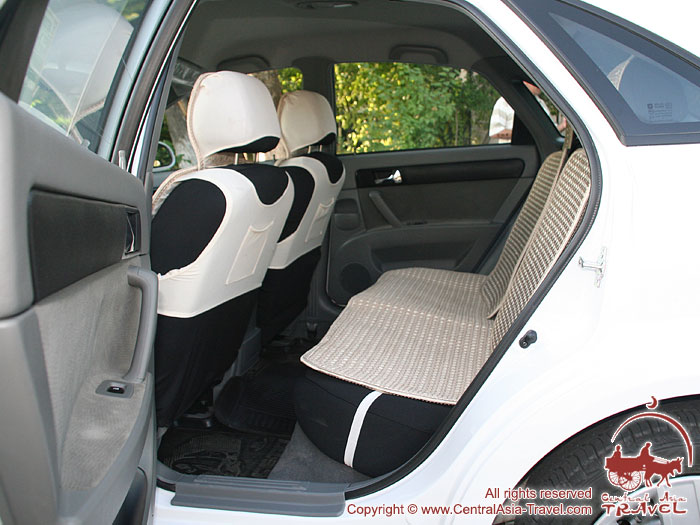
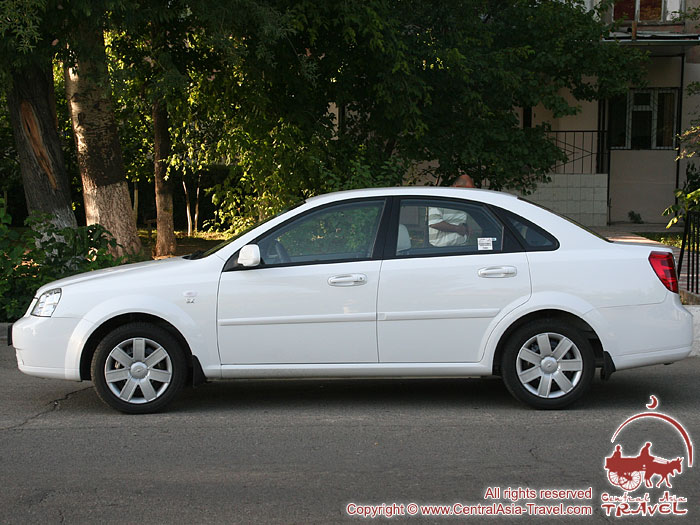
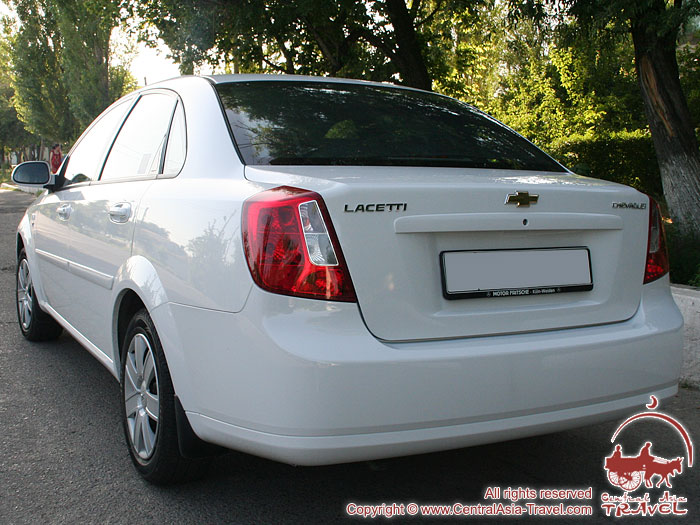
| Group of 1–2 pax. | "Chevrolet Lacetti" |
| Group of 4 pax. | "Hyundai Starex minivan " |
| Group of 6-8 pax. | "King Long minivan" |
| Group of 9-14 pax. | "Eurise minivan" |
| Tajikistan | Vehicle |
| Group of 1-2 pax | Toyota Camry or similar |
| Group of 3-15 pax | Hyundai Starex minivan (5 pax per each vehicle) |
Visa to Uzbekistan:
Visa-free regime for up to 60 days has been established for citizens of countries below:
|
|
|
|
|
Visa-free regime for up to 30 days has been established for citizens of countries below:
|
|
|
|
|
A great number of other countries can obtain an e-visa to Uzbekistan by simply visiting the governmental portal e-visa.gov.uz.
Read more about visa to Uzbekistan here »»
Visa to Tajikistan:
Currently the foreign citizens have an opportunity to obtain Tajikistan visa on-line on the official web here: www.evisa.tj.
Visa invitation from the MFA of Tajikistan is not necessary.
Useful Information on Traveling to Uzbekistan
► Memo: Useful tips for tourists »»
Useful Information on Traveling to Tajikistan
► Memo: Useful tips for tourists »»
- ITINERARY
SERVICES & COST
Visa- USEFUL INFORMATION
Route map
| Tour itinerary 2026 | ||
| Day 1. | Tashkent. This morning we arrive in Tashkent, Uzbekistan’s capital. After settling in at the hotel and breakfast, we meet our guide. Today we discover Uzbekistan’s bustling capital, where old and new meet in surprising harmony. We’ll visit the spiritual heart of the city – Khast-Imam Square, home to ancient madrasahs and mausoleums, and wander through the colorful Chorsu Bazaar, alive with the aromas of spices, fresh produce, and handicrafts. After lunch, we’ll explore Independence Square and Amir Temur Square, wide spaces framed by impressive architecture. One highlight not to miss is the Tashkent Metro, famous for its ornate stations that feel like an underground art gallery. Overnight in Tashkent. Meals: breakfast. |
|
|
|
||
| Day 2 | Tashkent - "Oybek" land border - Khujand by road, 160 km. After breakfast we drive toward the Uzbek-Tajik border at Oybek, complete formalities, and continue to Khujand, one of the oldest cities in Central Asia. On arrival, we enjoy a city tour: strolling through bustling Panjshanbe Bazaar, visiting the historical Museum of Khujand, and seeing the city’s fortress walls. The mix of ancient history and modern Tajik life makes Khujand an unforgettable introduction to the country. Overnight in Khujand. Meals: breakfast. |
|
|
|
||
| Day 3. | Khujand - Istaravshan - Penjikent by road, 260 km. After breakfast we leave Khujand and set out towards Istaravshan, a city with more than 2,500 years of history and once an important stop along the Great Silk Road. Here we explore its bustling bazaars and historic sites, including Kuk-Gumbaz Mosque and the colorful caravanserai-style markets, where traditional craftsmanship is still alive. Continuing our journey, we drive through dramatic mountain landscapes to Penjikent, often called the “Pompeii of Central Asia” thanks to its fascinating ruins of ancient Sogdian settlements. On arrival we settle into the hotel, with time to rest before dinner. Overnight in Penjikent. Meals: breakfast. |
|
|
|
||
| Day 4. | Penjikent - 7 Lakes - "Jartepa" land border - Samarkand by road, 180 km. After breakfast we explore Penjikent’s surroundings, beginning with the Sarazm ruins, a UNESCO World Heritage Site dating back more than 5,500 years — one of the earliest settlements in Central Asia. We then visit the Rudaki Museum, dedicated to the great Persian poet, and wander through the lively local bazaar, where everyday Tajik life unfolds in a swirl of colors and aromas. Later, we journey into the Fan Mountains to discover the enchanting Seven Lakes of Marguzor. Each lake has its own character and color, ranging from deep sapphire to shimmering turquoise, shaped by light, altitude, and legend. Today we’ll visit six of them, stopping for a traditional lunch at a local family home near the fourth lake. Short walks along the lakeshores will give us time to absorb the mountain serenity. In the afternoon, we return to Penjikent and proceed to the Jartepa border crossing. After formalities, we cross into Uzbekistan and continue to Samarkand, the jewel of the Silk Road. Accommodation at the hotel and rest. Overnight in Samarkand. Meals: breakfast, lunch. |
|
|
|
||
| Day 5. | Samarkand. After breakfast we set off to discover the treasures of Samarkand, one of the most dazzling cities of the Silk Road. Our tour begins at the iconic Registan Square, framed by three grand madrasahs – Ulugbek, Sher-Dor, and Tilla-Qori – each a masterpiece of Islamic architecture. We continue to the Gur-e Amir Mausoleum, the resting place of Tamerlane and his dynasty, with its turquoise dome and richly decorated interiors. After lunch, we visit the Bibi-Khanym Mosque, once one of the largest in the Islamic world, and wander through the Shah-i-Zinda Necropolis, where vibrant blue-tiled mausoleums line a narrow medieval street. The day ends at the Ulugbek Observatory, where the great astronomer charted the stars centuries ago. Return to the hotel for overnight. Meals: breakfast. |
|
|
|
||
| Day 6. | Samarkand. This morning we dive deeper into Samarkand’s history and culture. We begin at the Afrosiab Museum and nearby archaeological site, which reveal the ancient roots of the city long before the Timurid era. Then we visit the tomb of Saint Daniel, a unique pilgrimage site venerated by Muslims, Christians, and Jews alike. Later, we explore the Khujum carpet factory and a silk paper workshop, where age-old crafts are preserved and practiced with pride. Finally, we stroll through the bustling Siab Bazaar, a lively market brimming with spices, dried fruits, nuts, and handicrafts – the perfect place to experience the flavors and energy of modern Samarkand. Return to the hotel in the afternoon. Evening at leisure. Overnight in Samarkand. Meals: breakfast. |
|
|
|
||
| Day 7. | Samarkand - Bukhara by morning train. After breakfast we transfer to the railway station and take a morning train across the steppe to Bukhara (09:55–11:38). On arrival, we begin our exploration of the Old Town - one of the most atmospheric and best-preserved medieval cities in Central Asia. Our walk starts at Lyabi-Hauz Square, a lively plaza shaded by old mulberry trees and surrounded by beautiful madrasas and cozy teahouses. Here we see the Nadir Divan-Begi Madrasa and Kukeldash Madrasa, two fine examples of Islamic architecture. We continue through the ancient trading domes (Toqi) - Toki Zargaron, Toki Telpak Furushon, and Toki Sarrafon — where merchants once sold jewelry, silk, and coins. Today these domes are filled with local crafts, carpets, and souvenirs. We end the day with a leisurely stroll through the narrow lanes of the Old Town, soaking up the peaceful atmosphere of Bukhara at sunset. Overnight in Bukhara. Meals: breakfast. |
|
|
|
||
| Day 8. | Bukhara. After breakfast, we continue discovering the treasures of Bukhara. We visit the Ismail Samani Mausoleum, a true masterpiece of early Islamic architecture, and the Chashma Ayub Mausoleum, connected to the legend of the Prophet Job. Then we explore the local bazaar, full of life, colors, and aromas. Next, we head to the Bolo-Hauz Mosque, famous for its elegant wooden pillars reflected in the pool, before entering the mighty Ark Citadel, the former residence of Bukhara’s emirs, with its old Zindan prison. We finish our sightseeing at the majestic Po-i-Kalyan Complex, the spiritual heart of Bukhara, with its impressive minaret, madrasa, and mosque - a perfect finale to our journey through this timeless city. In the evening, we are welcomed into a traditional local home for an authentic cultural experience. Here we’ll take part in a master class on cooking plov, Uzbekistan’s most famous dish, learning its secrets step by step. Afterward, we’ll share a delicious dinner with the family, enjoying warm hospitality and stories of local life. Overnight at the hotel. Meals: breakfast, dinner. |
|
|
|
||
| Day 9. | Bukhara - Khiva by road, 460 km. After breakfast we set off on a long but scenic journey across the Kyzyl-Kum Desert and along the mighty Amudarya River. This vast landscape of golden sands and rippling dunes gives a real sense of the Silk Road’s endurance. We stop for lunch en route and continue our drive to Khiva, a perfectly preserved medieval city that feels like an open-air museum. On arrival, we have leisure time to wander its narrow streets, visit traditional workshops, and browse local souvenir shops. Meals: breakfast. |
|
|
|
||
| Day 10. | Khiva - Urgench by road, 30 km . Evening flight to Tashkent by evening flight After breakfast we explore Ichan-Kala, the walled inner city of Khiva and a UNESCO World Heritage Site. Its mudbrick walls, minarets, and madrassahs create one of the most atmospheric cities in Central Asia. Highlights include the Pakhlavan Mahmud Mausoleum, the Kunya-Ark Fortress, and the tall Islam Hajji Minaret. After lunch, we visit the ornate Tash Khauli Palace, the Juma Mosque with its 200 carved wooden columns, the Muhammad Aminkhan Madrasah, and the Avesta Museum. In the evening we transfer to Urgench for the flight to Tashkent. Upon arrival, transfer to the hotel, check-in and rest. Meals: breakfast. |
|
|
|
||
| Day 11. | Tashkent, departure. Breakfast at the hotel and check-out before 12:00. Transfer to the international airport for your onward flight — carrying with you warm memories and vivid impressions of your unforgettable journey through Central Asia. Meals: breakfast. |
|
|
|
||


|
|||||||
The tour is guaranteed regardless of the number of participants | |||||||
Tour price includes:
|
Tour price does not include:
|
*Tickets on a high-speed train are subject of availability and cannot be guaranteed in advance
Information on the hotels
| City | Hotels | |
| Tashkent | Huvaydo hotel 3* or similar | |
| Khujand | Khujand Deluxe Hotel 4* or similar | |
| Penjikent | Panjakent Plaza Hotel or similar | |
| Samarkand | Arba Hotel 3* or similar | |
| Bukhara | Rangrez 3* or similar | |
| Khiva | Khiva Residence 3* or similar | |
Information on the vehicles
| Uzbekistan | Vehicle |
| Group of 1–2 pax. | "Chevrolet Lacetti" |
| Group of 4 pax. | "Hyundai Starex minivan " |
| Group of 6-8 pax. | "King Long minivan" |
| Group of 9-14 pax. | "Eurise minivan" |
| Tajikistan | Vehicle |
| Group of 1-2 pax | Toyota Camry or similar |
| Group of 3-15 pax | Hyundai Starex minivan (5 pax per each vehicle) |
Visa to Uzbekistan:
Visa-free regime for up to 60 days has been established for citizens of countries below:
|
|
|
|
|
Visa-free regime for up to 30 days has been established for citizens of countries below:
|
|
|
|
|
A great number of other countries can obtain an e-visa to Uzbekistan by simply visiting the governmental portal e-visa.gov.uz.
Read more about visa to Uzbekistan here »»
Visa to Tajikistan:
Currently the foreign citizens have an opportunity to obtain Tajikistan visa on-line on the official web here: www.evisa.tj.
Visa invitation from the MFA of Tajikistan is not necessary.
Useful Information on Traveling to Uzbekistan
► Memo: Useful tips for tourists »»
Useful Information on Traveling to Tajikistan
► Memo: Useful tips for tourists »»
Photos of the tour:
 |
 |
 |
 |
© Copyright © Central Asia Travel
All rights reserved. No part of this publication may be reproduced without written permission of the copyright owner.

Heritage group tours: |
Adventure group tours: |
Other interesting tours:
|
Usefull links: |
TOUR ORDER
Book a guided tour
To submit the form you need to consent to the processing of personal data.