M41 ROAD: PAMIR HIGHWAY AND WAKHAN CORRIDOR
Adventure tour in the in the highlands of Pamir
| Tour destinations: | Kyrgyzstan, Tajikistan, (Pamir Highway, Pamir Mountains, Wakhan Corridor) | |
| Tour length: | 8 days / 7 nights, 10 days / 9 nights | |
| Itinerary: | Bishkek – Osh – “Edelweiss Meadow” Yurt Camp – Karakul Lake – Murghab – Langar – Ishkashim – Khorog – Kalai-Khumb – Dushanbe | |
Guarantee dates of group tours 2027–2028:
2027
2028

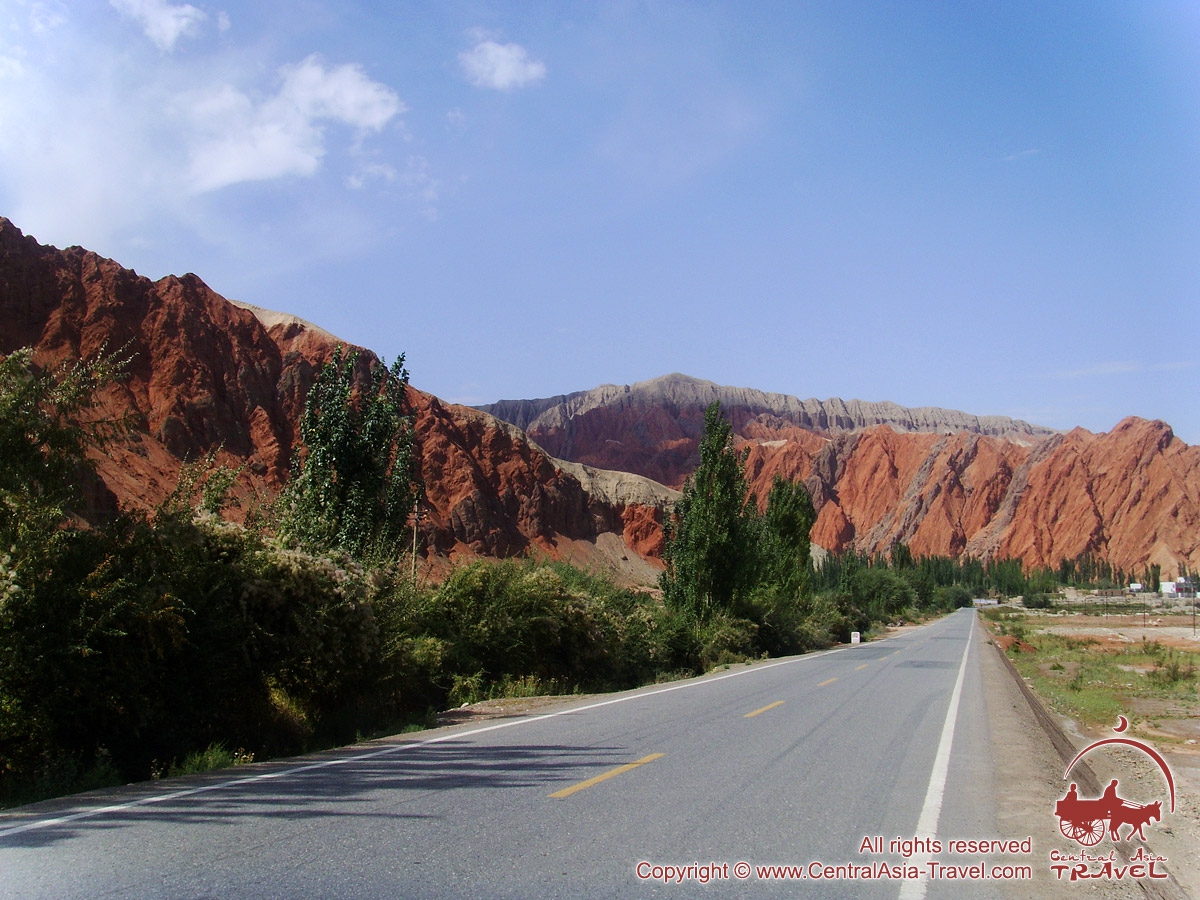
This tour is perfect for adventurers seeking off-the-beaten-path experiences, stunning scenery, and an unforgettable glimpse into the traditions of the Pamir highlands. Embark on an extraordinary journey along the legendary M-41 Pamir Highway, one of the highest, most stunning, and remote routes in the world. Known as one of the five most beautiful highways according to National Geographic, this iconic 700+ km road connects Kyrgyzstan with Tajikistan and winds through breathtaking high-altitude landscapes along the borders with Afghanistan and China.
Starting in Bishkek, Kyrgyzstan, this adventure takes you through authentic mountain villages nestled on the “Roof of the World.” You’ll traverse three high-altitude passes: Taldyk (3615 m), Kyzyl-Art (4280 m), and Ak-Baital (4655 m). Along the way, you’ll witness the convergence of diverse cultures and experience the unique way of life of locals that has remained unchanged for centuries.
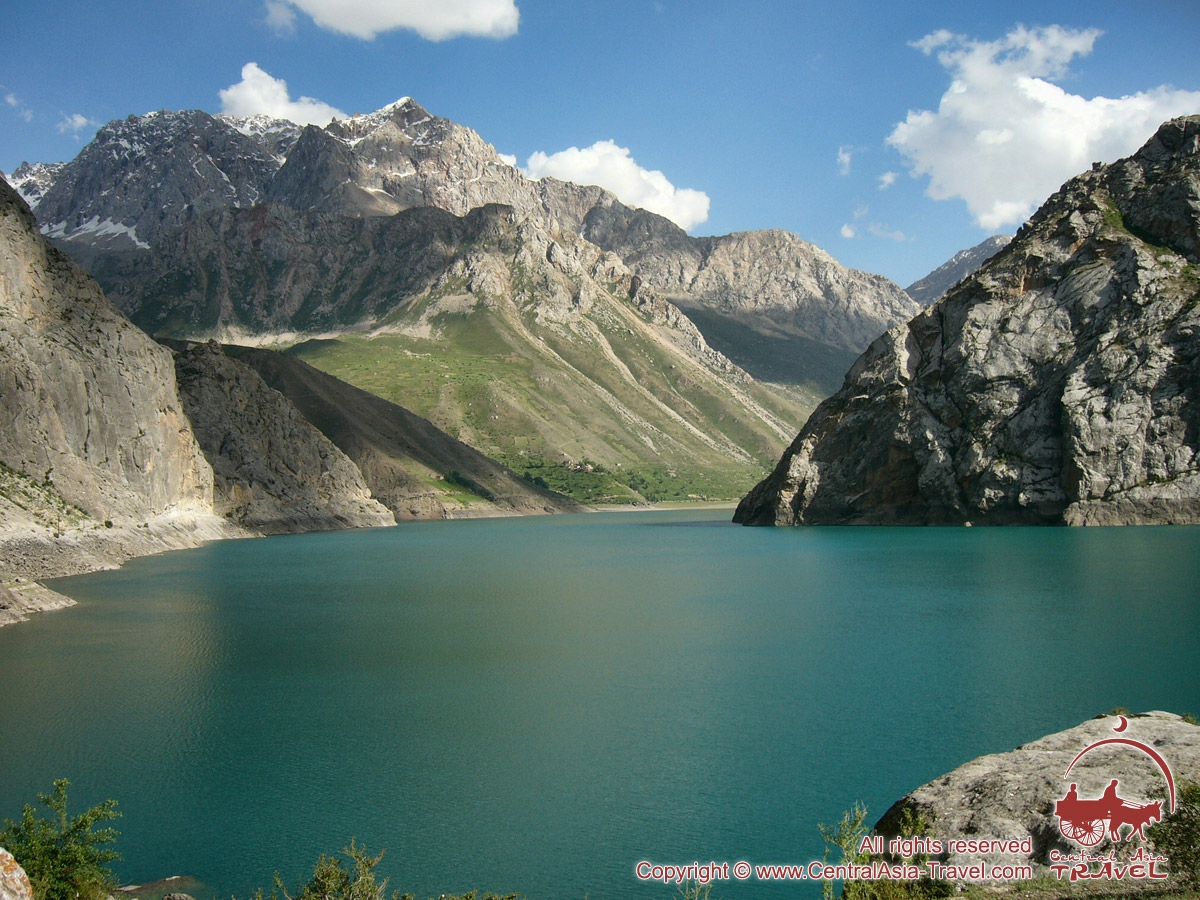
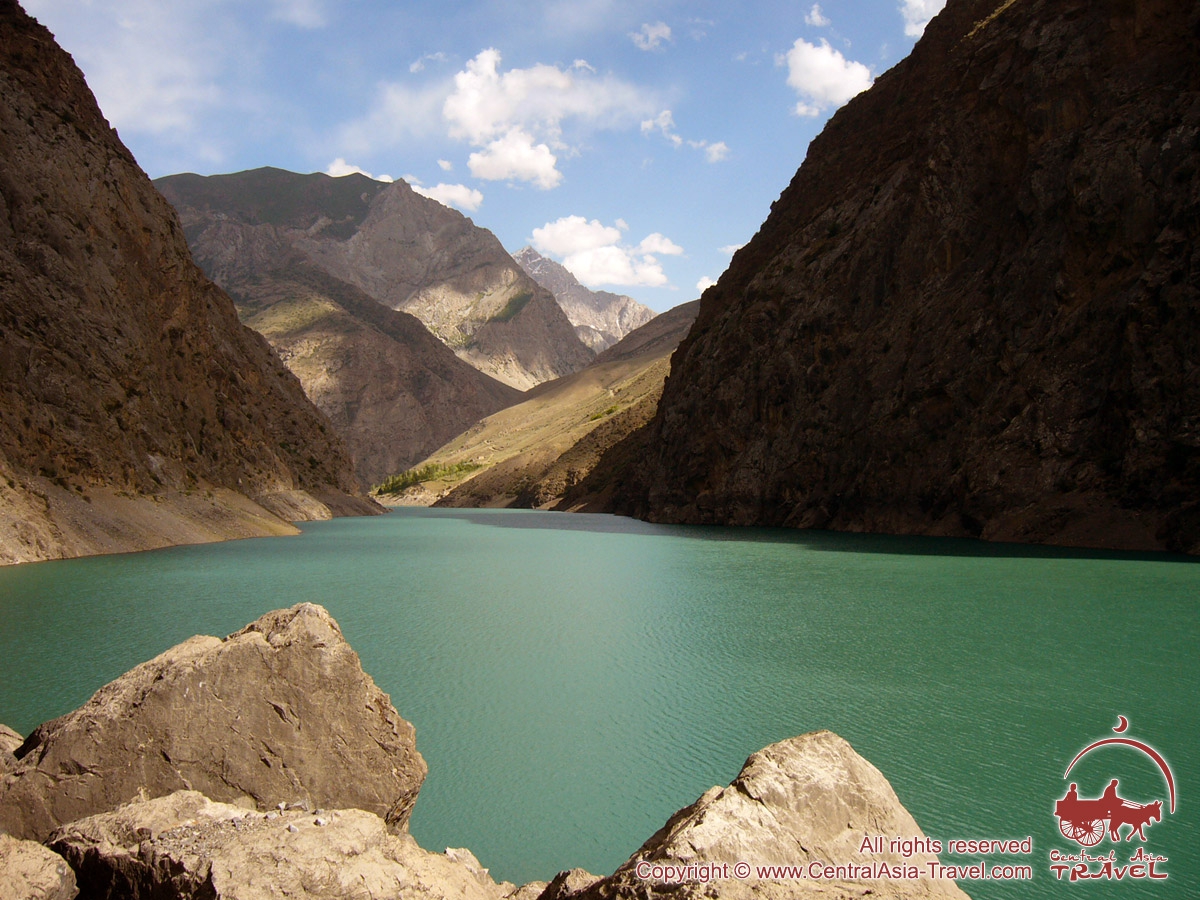
The journey unveils awe-inspiring mountain vistas, endless ridges, and snow-capped peaks of the Pamirs and Hindu Kush. You’ll pass through stunning gorges and turquoise lakes, including Karakul Lake, Tajikistan’s largest, located at a dizzying altitude of 3914 m. Travel through the rugged terrain of Murghab, where vast open spaces and traditional settlements create an atmosphere of raw wilderness.
In Langar, discover ancient petroglyphs etched into the rocks, and in Ishkashim, immerse yourself in the unique Wakhan culture at the crossroads of history and nature. Here, you’ll feel the raw beauty of a silent high-altitude desert and explore the remote Wakhan Valley. The route then leads to Khorog, the lively main city of the Gorno-Badakhshan Autonomous Region. From Kalai-Khumb, a quaint village along the Panj River, the journey concludes in Dushanbe, Tajikistan's vibrant capital.
- 10–Day Program
- 8–Day Program
- Tour itinerary,
services and prices - FAQ
- Important Information
| 10–Day Program | ||
| Day 1. | Bishkek, arrival. Sightseeing tour of Bishkek. We arrive early in Bishkek, the welcoming capital of Kyrgyzstan. After meeting our driver at the airport, we transfer to the hotel for rest and breakfast. Later in the morning we set off on a guided sightseeing tour of Bishkek. The city, framed by the snowy Tian Shan mountains, combines Soviet heritage with modern Kyrgyz culture. We’ll see the Manas Monument, central Ala-Too Square with the Guard of Honor, and the Independence Monument. Walking past the main government buildings and the Old Square, we’ll pause by the last remaining Lenin statue in Central Asia. Our tour ends at Victory Square, dedicated to World War II. Overnight at the hotel. |
|
|
|
||
| Day 2. | Domestic flight Bishkek – Osh. Transfer to the Pamirs, “Edelweiss Meadow” yurt camp. Early morning flight from Bishkek to Osh. Meeting at the airport of Osh. Drive along the Great Pamir Highway. The road is incredibly scenic, so be sure to get a window seat: we will see rust-colored mountains and red rivers, the vast expanses of the Alay Valley, the breathtaking switchbacks of Taldyk Pass (3600 m), and finally the snow-covered northern face of the seven-thousander – Lenin Peak (7134 m). Arrival at the tourist yurt camp located at Edelweiss Meadow (3600 m), offering the best views of Lenin Peak. Accommodation, lunch. Walk to Lukovaya Meadow (3800 m) – a protected meadow where a mountaineering camp once stood, and where today only marmots live and wild green onions grow. At the height of the short Pamir summer, the meadow turns into a vibrant green carpet bursting with colorful flowers, while by the end of August it becomes a silent kingdom of ochre hues. We will follow a beautiful route along the edge of the Achik-Tash Canyon, see unusual pillar-shaped rocks and a cone-shaped pyramid, the confluence of two rivers and colorful mountains, and hear the rushing water and the ringing silence of the rocks. Meals: breakfast, lunch, dinner. Overnight at the “Edelweiss Meadow” Camp (3600 m). |
|
|
|
||
| Day 3. | Walk to the lakes of the Achik-Tash Valley and the sacred Tulpar-Kol Lake. Walking time: 5–6 hrs; elevation difference: -260 m, +260 m. This morning we will begin with a walk through the picturesque “fjords” of the Achik-Tash Valley, dotted with beautiful colorful lakes. There are many lakes here, some connected to one another, and their shapes change every year. The magnificent Pamir peaks are reflected in their crystal-clear turquoise waters, while herds of shy yaks can often be seen grazing along the shores. We then continue to the large and pristine Tulpar-Kol Lake. We will descend to the river and cross a bridge to the other side, where the sacred lake lies. According to local shepherds, swimming in the lake, taking water from it, watering livestock, and fishing are forbidden. Visitors are encouraged to approach the lake with pure thoughts; they may pray on the shore, immerse an ailing part of the body in the water or sprinkle it with lake water – and are believed to receive the gift of healing. We will walk around the lake, admiring its winding shoreline from different angles, and learn about the lifestyle and traditions of the nomadic Kyrgyz, whose yurts stand nearby. Along the way, we will encounter donkeys, horses and untouched meadows filled with delicate blooming edelweiss, bright buttercups and alpine forget-me-nots. Meals: breakfast, lunch, dinner. Overnight at the “Edelweiss Meadow” Camp (3600 m). |
|
|
|
||
| Day 4. | “Edelweiss Meadow” Yurt Camp – Kyrgyz-Tajik border “Kyzyl-Art” – Karakul Lake – Murghab (240 km, 6–7 hrs). Breakfast at the yurt camp. Transfer to the Kyrgyz-Tajik border “Kyzyl-Art”. Ascent to Kyzyl-Art Pass (4280 m) through the Trans-Alay Range. Border crossing. Drive to the picturesque high-altitude Karakul Lake (3914 m). This endorheic glacial-tectonic lake (its name means “Black Lake” in Turkic languages) is located at an altitude of 3914 m above sea level, 100 m higher than the famous Lake Titicaca in the Andes! Karakul Lake was formed as a result of a meteorite impact approximately 25 million years ago. The crater is 45 km in diameter, the lake covers an area of 380 sq. km excluding the islands, and its maximum depth is about 240 m. The lake is surrounded by barren rocky mountain ranges, which approach the shoreline in the west and lie several kilometers away from it in the east. Lunch en route. Drive to Murghab via Ak-Baital Pass (4655 m), the highest pass in the CIS and one of the highest mountain passes in the world crossed by a motor road. Arrival in Murghab – the highest-altitude settlement in Tajikistan and all of Central Asia, located on the Murghab Plateau. It was founded in the late 19th century as a Pamir military post of the Russian Empire. Murghab has a bazaar and craft shops where you can purchase unique handmade items created by Pamiri artisans: handwoven carpets, traditional hats (kalpaks), bags, national embroidery and other memorable souvenirs. Accommodation at the hotel. Dinner. Meals: breakfast, lunch, dinner. Overnight at the hotel. |
|
|
|
||
| Day 5. | Murghab – Langar (250 km, 5–6 hrs). Drive to Langar – a high-altitude village in the Wakhan Valley in the Southern Pamirs. We will travel through the “Wakhan Corridor” – a rarely visited area that forms part of the historical and cultural region of Gorno-Badakhshan and stretches along the upper reaches of the Panj and Wakhan rivers. This narrow corridor connects Afghanistan and China and is bounded by the Pamir ranges to the north and the Hindu Kush mountains to the south. Get ready for breathtaking switchbacks and sheer slopes – the road runs along a high terrace. In clear weather, there are spectacular views of the snow-capped seven-thousanders of the Hindu Kush – the highest mountainous region of Afghanistan. Arrival in Langar, situated at an altitude of 3000 m and surrounded on all sides by the towering peaks of the Pamirs and Hindu Kush. Introduction to the lifestyle and traditions of the local people. Langar is inhabited by the Wakhi people and is famous for its rock carvings. More than 6000 petroglyphs have been discovered here, depicting hunting scenes, caravans and horsemen. Langar is also home to a small local history museum and the tomb of Shoh Kambari Oftoba – the man who brought Ismailism to this region. The mausoleum is a sacred place of worship for the mountain people, where ancient rituals are still performed. The Aryan peoples inhabiting the Wakhan are exceptionally fascinating – their culture has absorbed a distinctive and vibrant blend of different religions, traditions and systems while preserving a sense of unity and harmony with the majestic mountains surrounding them. The history of the Wakhan bears the traces of Alexander the Great and his army, who spread Greco-Buddhism; Tibetan Buddhists, who founded vast monasteries here; Arabs, who brought Islam; and Mongol conquerors, whose assistance was sought by Sunnis and Ismailis in their struggles against one another. Meals: breakfast, lunch, dinner. Overnight at a traditional guesthouse. |
|
|
|
||
| Day 6. | Langar – Ishkashim (140 km, 4–5 hrs). Transfer to the village of Ishkashim, with a visit to the village of Yamg en route. Tour of Yamg: visit to the tomb and reconstructed house-museum of the brilliant scholar, inventor, poet and musician Sufi Mubarak Kadam, as well as a stone with a hole that was used as a sundial 700 years ago. We will also stop at the Bibi Fatima hot springs, which are surrounded by legends about the miraculous properties of their waters. The name of the site is associated with Fatima, the daughter of the Prophet Muhammad. The water here, whose temperature never drops below +40°C throughout the year, contains radon and other minerals, which are believed to give it unique healing properties. The spring emerges directly from the rock in two places, which locals call the “sleeves of Fatima”. There is some basic infrastructure near the spring, including a pool, changing rooms and rest rooms. You can also walk down the steps and enjoy an invigorating shower beneath a small natural waterfall. Lunch – lunch boxes en route. Arrival in Ishkashim. Meals: breakfast, lunch, dinner. Overnight at a traditional guesthouse. |
|
|
Today we will travel through the Wakhan Valley to the village of Ishkashim, making several interesting stops along the way: |
||
| Day 7. | Ishkashim – Khorog (120 km, 2 hrs). Transfer to Khorog – the administrative center of Gorno-Badakhshan, a beautiful green town with towering poplar trees and distinctive traditional Pamiri houses on its outskirts. Khorog lies at the bottom of a deep gorge at an altitude of 2200 meters, near the confluence of the Gunt and Panj rivers. The town is sheltered from strong winds and cold temperatures in winter, while summers are generally warm and dry. Khorog is sure to charm you with its endless gardens of apple, apricot and mulberry trees. Arrival in Khorog, accommodation at the hotel. Tour of Khorog: Pamir Botanical Garden, the second-highest botanical garden in the world (after the botanical garden in Nepal), renowned for its unique flora brought here from different parts of the world. The garden is located on the river terraces of the Shakhdara River above the eastern part of Khorog, at an altitude of 2320 m. Next, we will visit the local history museum, which houses fascinating historical exhibits as well as works of art and handicrafts. Among its highlights is the first piano ever brought to the Pamirs, which was carried by hand from Osh to Khorog by ten soldiers in 1914 for the daughter of one of the local rulers. They followed roughly the same route that we have traveled by vehicle over the previous few days. Of course, we will also visit the local bazaar, where you can buy local produce, fruit and vegetables. Meals: breakfast, lunch, dinner. Overnight at the hotel. |
|
|
Our final destination today is Khorog, the administrative center of the Gorno-Badakhshan Autonomous Region of Tajikistan (since 1925). |
||
| Day 8. | Khorog – Kalai-Khumb (265 km, 6–7 hrs). Transfer to the village of Kalai-Khumb. En route, visit the ancient Karon archaeological site, located at an altitude of about 2000 m in the Darvoz District of Tajikistan’s Gorno-Badakhshan Autonomous Region. This ancient architectural and cultural monument has been under excavation since 2013. Lunch en route. Arrival in Kalai-Khumb – an urban-type settlement located on the border with Afghanistan, near the confluence of the Khumbob and Panj rivers. It is the administrative center of the Darvoz District, with a population of around 2,000 people, and lies at an altitude of 1200 m. Its name literally translates from Tajik as “Fortress at the Bottom of a Jug”. Kalai-Khumb was founded in the 15th century as a fortress on the Khumbob River and remained the capital of the independent Tajik principality of Darvoz until the mid-19th century (“darvoz” means “gate”). Agriculture is highly developed in the Darvoz District. Grain, melons and watermelons, vegetables and fruit are grown here. In Kalai-Khumb, you will have the opportunity to taste excellent pomegranates, figs, persimmons, pistachios and almonds harvested in the surrounding area. Meals: breakfast, lunch, dinner. Overnight at the hotel. |
|
|
Today we will travel to the village of Kalai-Khumb, stopping along the way to visit the ancient Karon archaeological site, located at an altitude of about 2000 m in the Darvoz District of Tajikistan’s Gorno-Badakhshan Autonomous Region. |
||
| Day 9. | Kalai-Khumb – Dushanbe (350 km, 7–8 hrs). Transfer to Dushanbe – the capital of Tajikistan. En route, visit the Mausoleum of Mir Sayyid Ali Hamadani and Hulbuk Fortress. Lunch in Kulob. Arrival in Dushanbe – a large, sunny city with well-developed infrastructure, remarkable for the number of streets, avenues and squares named after poets and writers. “Dushanbe” means “Monday” in Tajik, as the city grew around a crossroads where a large market was traditionally held on Mondays. Tour of Dushanbe: National Museum of Antiquities of Tajikistan with its unique collection of ancient artifacts, the highlight of which is the enormous 12.9 m-long, 5.5 ton “Buddha in Nirvana” statue (6th–8th centuries); Independence Square, Rudaki Avenue, and the Monument to Ismail Somoni. Dinner at a restaurant. Meals: breakfast, lunch, dinner. Overnight at the hotel. |
|
|
Today we will finally reach Tajikistan’s capital, Dushanbe, visiting a couple more attractions along the way: |
||
| Day 10. | Departure from Dushanbe. Transfer to Dushanbe Airport. End of the tour program. Meals: breakfast. |
|
|
|
||


|
||||||||||||
This tour is guaranteed and will be arranged whatever final number of persons in a group. | ||||||||||||


The tour price includes:
- Meeting/seeing off at the airport, group transfer airport – hotel – airport for each flight on the first and last day of the program.
- Air tickets Bishkek – Osh (Economy class, weight limit for luggage is 15 kg).
- Comfortable air-conditioned transport throughout the entire route, including airport transfers.
- Accommodation in hotels in twin rooms with breakfast.
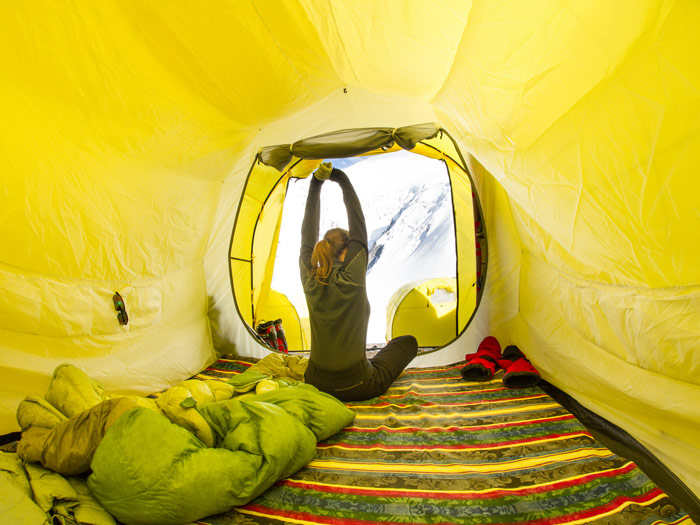
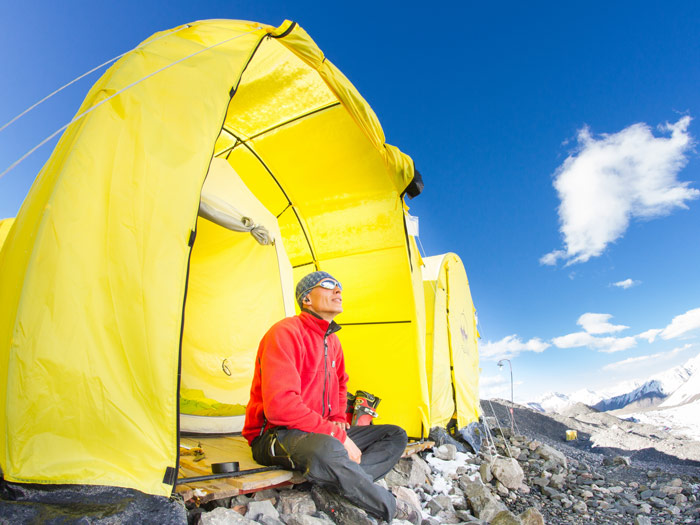
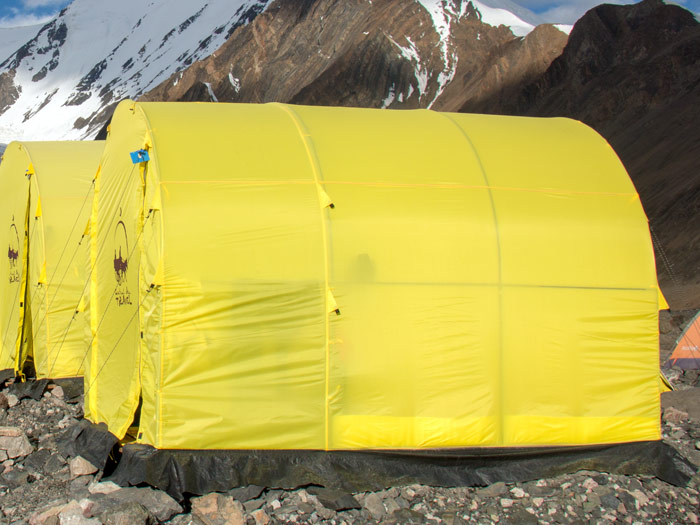
- Accommodation at the “Edelweiss Meadow” Yurt Camp:
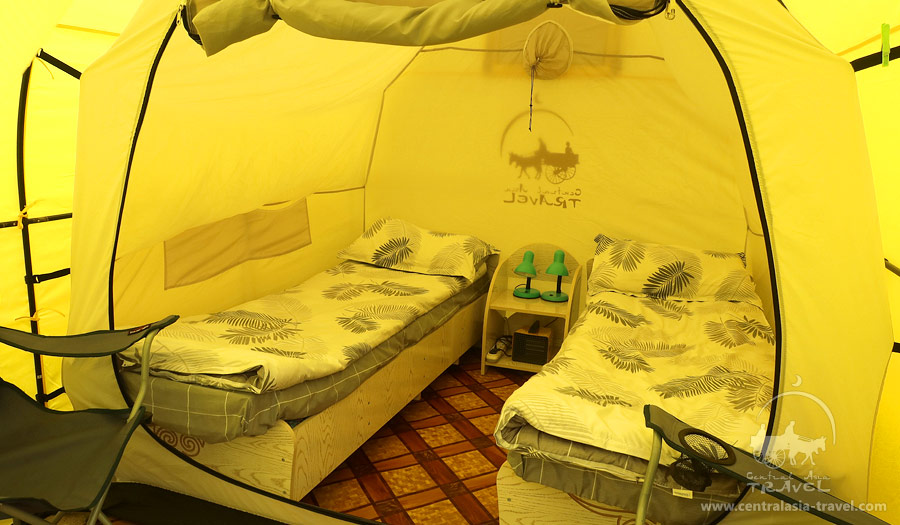
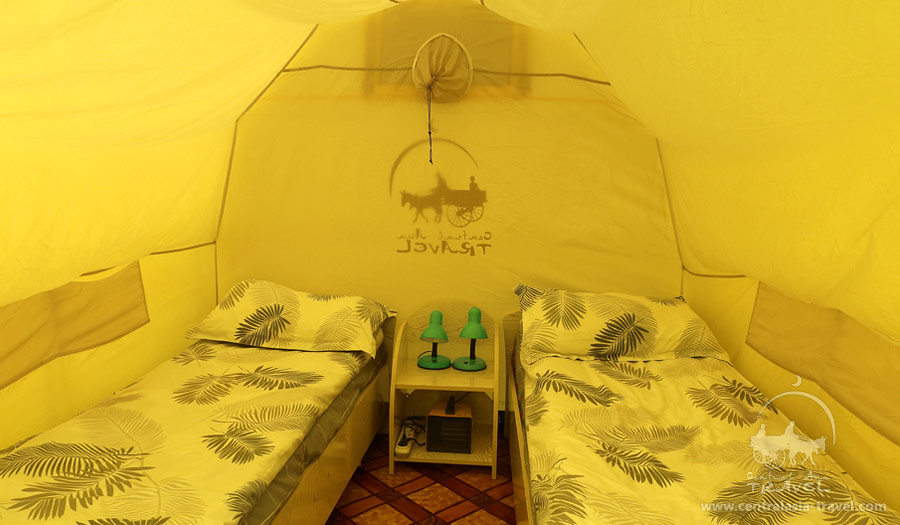
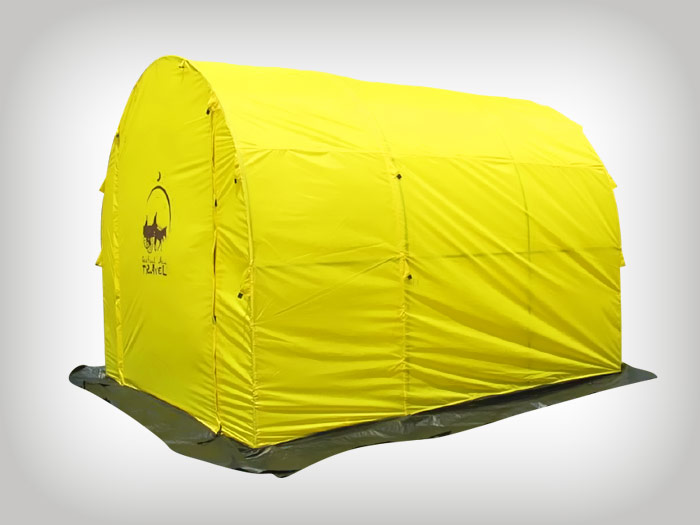
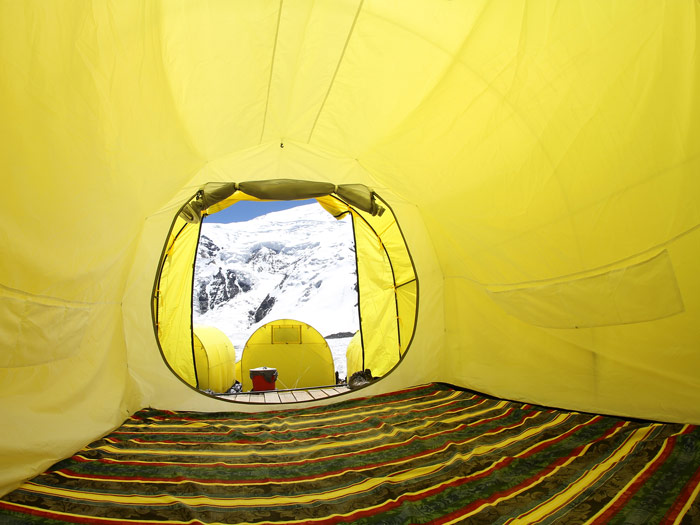
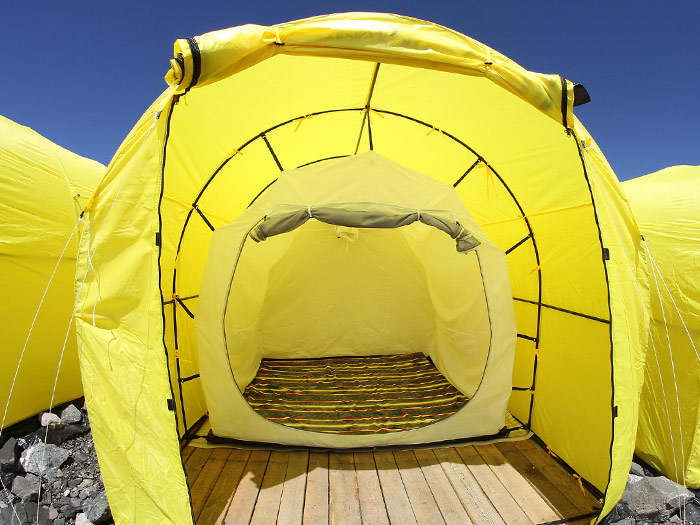
- Option «Standard» – twin accommodation in heated camping tents with beds;
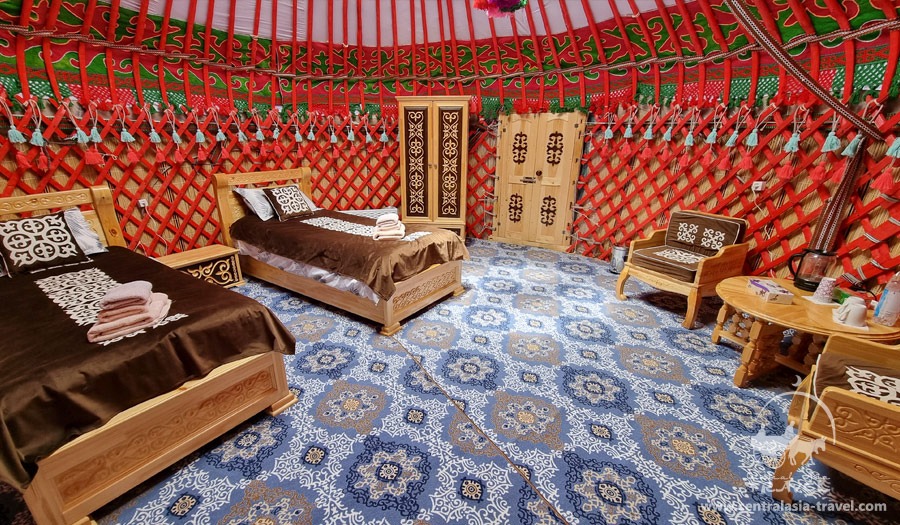
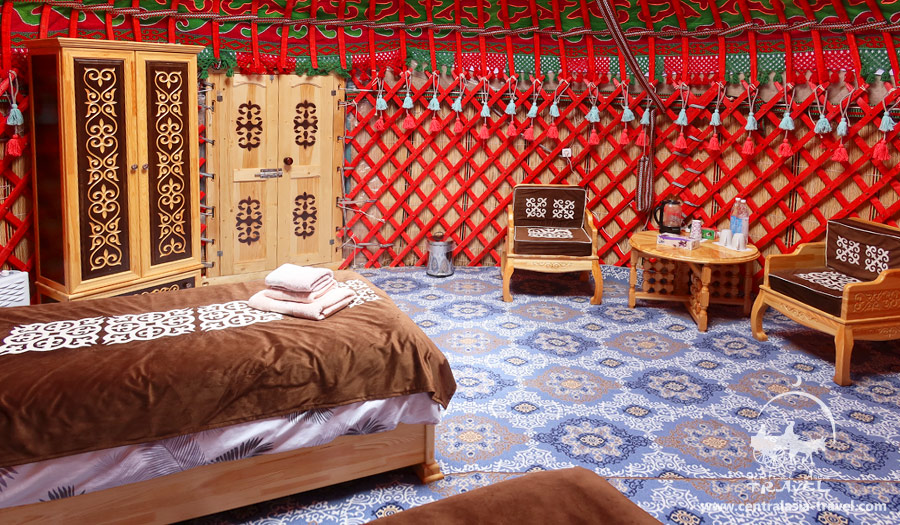
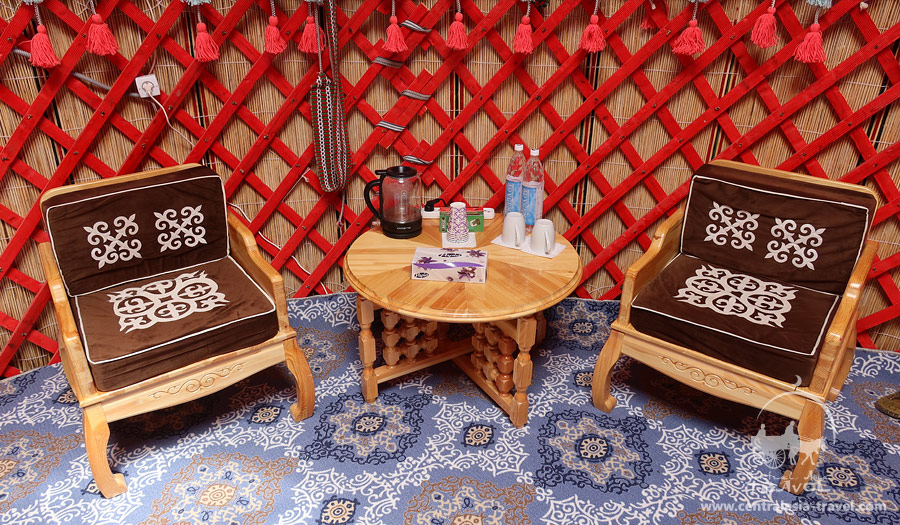
- Option «Comfort» – accommodation in comfortable twin and triple yurts equipped with all necessary amenities.
- Accommodation in guesthouses, 3–4 people per room, according to the tour program.
- Meals – full board, including breakfast, lunch and dinner.
- Excursions according to the tour program.
- Services of a tour leader throughout the entire tour.
- Entrance fees to monuments and museums according to the tour program.
- Permit to visit the Gorno-Badakhshan Autonomous Region (GBAO).
- Arrangement of the necessary documents for visiting the Lenin Peak area.
- Services of a mountain guide while visiting the Lenin Peak area (Days 2–3).
- Equipment rental while visiting the Lenin Peak area (Days 2–3), including:
- telescopic trekking poles,
- rain poncho.
- Mineral water (1 l) on each sightseeing day of the tour (except arrival and departure days).
- Souvenirs.
The tour price does not include:
- International airfare;
- Medical insurance.
Additional services:
- Additional night upon arrival in Osh at a 3* hotel:
- single room – USD 60 per room per night,
- twin room – USD 80 per room per night.
This itinerary includes the following accommodation:
| City | Hotels | |
| Bishkek | Olive Bishkek Hotel 3* or similar | |
| Osh | Sunrise Osh 3* or similar | |
| Yurt Camp “Edelweiss Meadow” |
Standard – accommodation in camping tents Comfort – accommodation in a Kyrgyz yurt |
|
| Murghab | Hotel “Pamir” 1* or similar | |
| Langar | Guesthouse | |
| Ishkashim | Guesthouse | |
| Khorog | Lal 3* / Dehli Darbor 3* or similar | |
| Kalai-Khumb | Karon Palas 4* or similar | |
| Dushanbe | The Rumi hotel & Residenses 4*+ or similar | |
Transport.
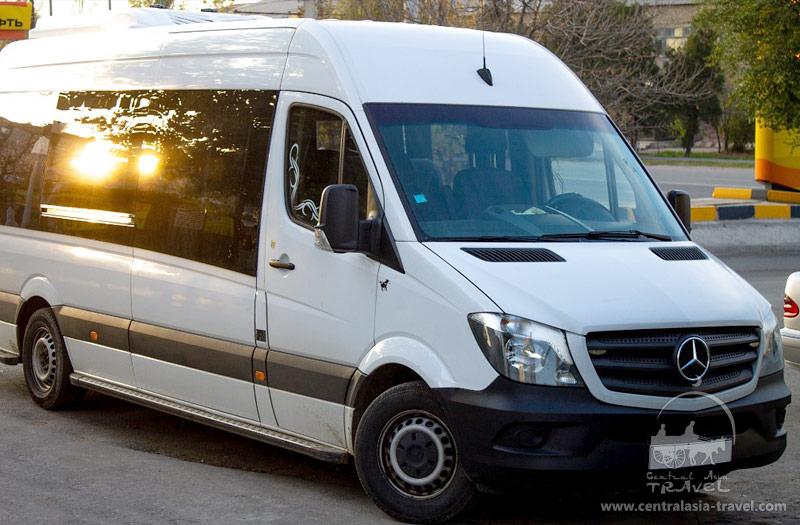
| Group | Vehicle |
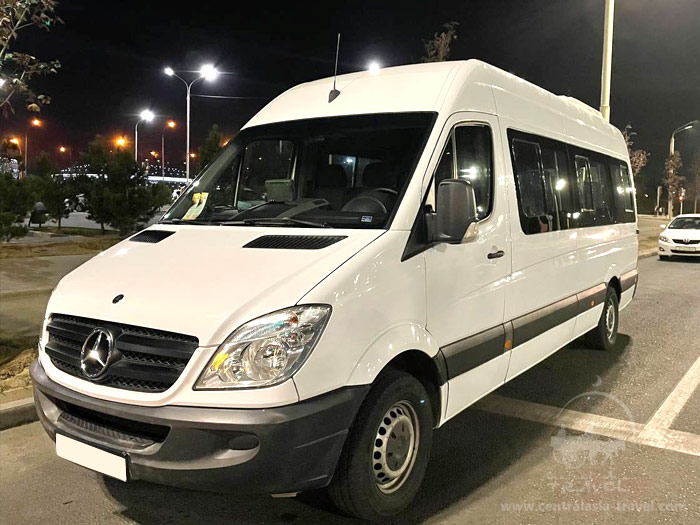
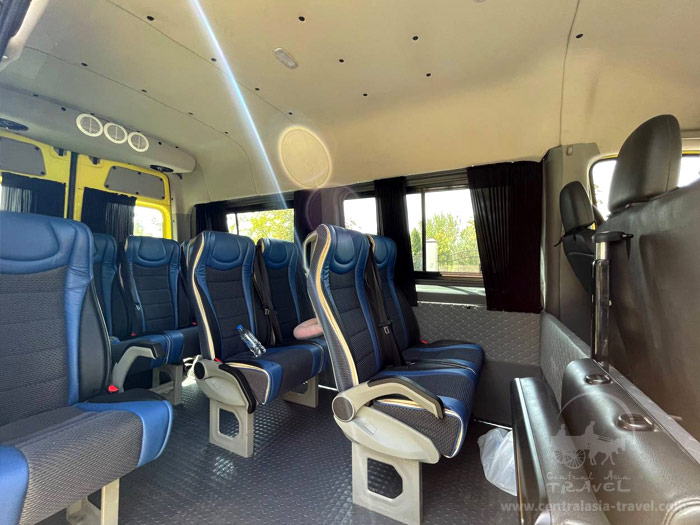
| Group of 1–5 people | "Hyundai Grand Starex" |
| Group of 4–15 people | "Mercedes-Benz Sprinter" |
Frequently Asked Questions
► Memo: Useful tips for tourists »»
- Is it obligatory to have temporary registration while staying on the territory of Tajikistan?
Foreign tourists with Tourist visa (T) are allowed to stay on the territory of Tajikistan without temporary registration within 30 days. Holders of all other visa categories, as well as CIS citizens, except for those of Kazakhsatan and Kyrgyzstan, should get temporary registration within 3 working days from the date of entry. Policemen in the street, as well as border officers at the port of exit can demand the proof of Tajik registration. Absence of registration is penalized by heavy fine. - What documents and forms should be filled out while entering/leaving the territory of Tajikistan?
Upon entering Tajikistan a foreign national should fill out migration card which is provided on board of plane or on arrival at airport, as well as customs declaration. Upon exiting the country a foreigner should show the customs control official the registration certificate, migration card, and customs declaration filled out on arrival to Tajikistan port of entry. - What is forbidden to bring in and take out from Tajikistan?
Similar to other countries’ regulations, it is forbidden to bring pornographic materials, firearms, weapons and ammunition, printed, audiovisual and other information which can be construed as jeopardizing the country's state sovereignty, narcotics, including drugs containing psychotropic agents. Exception is the medicinal product accompanied with a copy of doctor’s prescription. It is allowed to take out any items except foodstuff, precious stones, gold and minerals. Foreign travelers are also forbidden to take out local currency- somoni. If a traveler wants to buy any jewelry item as a souvenir, he/she needs a permit certifying that this item does not have cultural or historical value. - Is it allowed to bring alcoholic drinks and cigarettes in Tajikistan?
Under Tajik customs regulations it is allowed to bring in not more than 1 litre of alcoholic drinks and 1 block of cigarettes (200 sticks) per person. - What are the limits to the amount of foreign currency allowed for bringing in or taking out of Tajikistan?
Tajikistan has no restriction on the amount of foreign currency cash you can carry in or out of Tajikistan. However, any amounts of foreign currency cash exceeding $5,000 in USD or foreign equivalent must be declared. It is recommended to declare the total amount of currency brought in the country, because a foreign traveller is allowed to take out of Tajikistan the amount of foreign currency that does not exceed the amount which was brought in and declared in customs declaration.
On exiting the country the amount of cash exceeding $500 is subject to declaration. The total amount of foreign currency cash allowed for export from Tajikistan without special permit is $2,000. If the amount of foreign currency exceeds $2,000, appropriate documentation certifying its legality should be submitted to customs authorities. Customs declaration confirming the import to Tajikistan of foreign currency cash or valuables can serve this purpose. - What currency is in circulation in Tajikistan? Where can foreign currency be exchanged for local one?
Any transaction when buying goods and services or any other financial dealings on the territory of Tajikistan are made in the national currency - somoni. Foreign currency can be exchanged in the banks of big cities or numerous exchange offices which function practically in any town of the country. It is not recommended to exchange foreign currency in the streets or bazaars. - Are credit cards accepted for payment of goods and services on the territory of Tajikistan?
Visa and Master Card are accepted for payment of goods and services in some hotels and supermarkets of Dushanbe and Khojent. ATMs are available only in these two cities. - What time zone is Tajikistan in?
In Tajikistan local time is +5 GTM. - Can foreigners subscribe to the mobile communications service operators in Tajikistan? Is mobile communication service available everywhere in Tajikistan?
In Tajikistan today mobile telecommunication services are provided by 9 companies with ability to support international roaming with major world mobile operators. However it is not easy for a foreigner to buy a SIM-card of the local mobile communication provider. In majority of cases this is to be solved individually between the buyer and the seller. It should be noted that mobile communications rates in Tajikistan are rather high.
In cities and large towns cellular communication functions regularly with good signal receipt. However, in some remote villages, especially in mountain areas, there are difficulties with signal receipt. - How good is Internet access in Tajikistan?
The quality of Internet access depends on the location of the town: the larger the town or city is the better is Internet access. In majority of villages there is no Internet access. Wi-Fi is available in some hotels and restaurants of Dushanbe and some other Tajik cities. Internet-cafes are available only in large towns. - Is it allowed to take photos or make video recording at tourist attractions?
In Tajikistan it is forbidden to photograph or make video of military facilities and airports. Some attractions charge extra fee photographing or video recording. It is not recommended to take pictures of people in the street without their permission, especially women. - What kind of clothing is suitable for travelling in Tajikistan? Are there any restrictions in clothes for women?
Tajikistan is a mountainous country with variety of weather conditions. In summer in the cities the temperature can rise as high as +30-40 degrees Centigrade, whereas in Pamir mountainous areas it is much cooler. Warm clothing to protect you from piercing wind, rain and snow should be taken if you travel in Tajikistan during the colder seasons of the year and always in the mountains. The outfit for mountain trekking should meet the standard requirements for this type of sport.
There are no restrictions in clothes for women. - What language do local people speak? Do they speak foreign languages?
In Tajikistan the state language is Tajik. Virtually all citizens of big cities can more or less speak Russian. Very few local people can speak foreign languages (English, French, Spanish, etc.) - What are dining facilities in Tajikistan?
In Tajik capital and big cities there is a big variety of cafes and restaurants offering national Tajik cuisine as well as dishes of international cuisines. The prices are reasonable- a substantial lunch in cities can cost $ 8-10, whereas in teahouses and cafes in some mountainous areas it is even cheaper. Tajik cuisine is extremely delicious and varied.
Important Information
Maximum altitude reached during this adventure tour in the Pamirs is 4650 m, while the minimum altitude is 500 m.
Air temperature during the tour: from 0° to +30°C.
Route difficulty: No special skills or physical training are required to participate in the program.
Transport: For group tours, transportation is provided by Mercedes-Benz Sprinter / Hyundai Grand Starex vehicles. For private tours, a 4WD jeep tour can be arranged.
General recommendations:
- All documents required for entry into and departure from all countries along the route must be obtained before the start of the tour;
- Your passport must be valid for at least 3 months after the expected end date of the tour.
Accommodation during the tour:
This itinerary includes the following types of accommodation:
- Hotels. We select well-established hotels in the most convenient locations for our travelers. The list of recommended hotels may vary depending on the season and group size.
- Yurts/traditional homes/guesthouses. In Tajikistan, you will often stay in cozy traditional homes, where hospitable and friendly hosts are always happy to welcome guests.
Visas and permits
Visas to Tajikistan
Under the agreement between the Government of the Republic of Tajikistan and the Government of Russia, Russian citizens do not require a visa to visit Tajikistan; a Russian internal passport or international passport is sufficient. Citizens of other countries can find more detailed information about visas to Tajikistan here.
Citizens of CIS countries are also allowed visa-free entry to Kyrgyzstan.
Russian citizens can enter Kyrgyzstan using their internal passport, while an international passport is required to enter Uzbekistan. Citizens of other countries can find more information about visas to Kyrgyzstan here.
A special permit is required to visit certain mountain areas (permit). To obtain it, you must send us a copy of your passport and specify your planned travel dates no later than 1 month before your arrival.
- Tour itinerary,
services and prices - FAQ
- Important Information
| 8–Day Program | ||
| Day 1. | Bishkek, arrival. Sightseeing tour of Bishkek. We arrive early in Bishkek, the welcoming capital of Kyrgyzstan. After meeting our driver at the airport, we transfer to the hotel for rest and breakfast. Later in the morning we set off on a guided sightseeing tour of Bishkek. The city, framed by the snowy Tian Shan mountains, combines Soviet heritage with modern Kyrgyz culture. We’ll see the Manas Monument, central Ala-Too Square with the Guard of Honor, and the Independence Monument. Walking past the main government buildings and the Old Square, we’ll pause by the last remaining Lenin statue in Central Asia. Our tour ends at Victory Square, dedicated to World War II. Overnight at the hotel. |
|
|
|
||
| Day 2. | Domestic flight Bishkek – Osh. Transfer to the Pamirs – Kyrgyz-Tajik border "Kyzyl-Art" – Lake Karakul – Murghab (415 km, 7 hrs). Breakfast at the hotel. Early morning flight from Bishkek to Osh. Meeting at the airport of Osh. Transfer to the Kyrgyz-Tajik border “Kyzyl-Art”. Ascent to Kyzyl-Art Pass (4280 m) through the Trans-Alay Range. Border crossing. Drive to the picturesque high-altitude Karakul Lake (3914 m). This endorheic glacial-tectonic lake (its name means “Black Lake” in Turkic languages) is located at an altitude of 3914 m above sea level, 100 m higher than the famous Lake Titicaca in the Andes! Karakul Lake was formed as a result of a meteorite impact approximately 25 million years ago. The crater is 45 km in diameter, the lake covers an area of 380 sq. km excluding the islands, and its maximum depth is about 240 m. The lake is surrounded by barren rocky mountain ranges, which approach the shoreline in the west and lie several kilometers away from it in the east. Lunch en route. Drive to Murghab via Ak-Baital Pass (4655 m), the highest pass in the CIS and one of the highest mountain passes in the world crossed by a motor road. Arrival in Murghab – the highest-altitude settlement in Tajikistan and all of Central Asia, located on the Murghab Plateau. It was founded in the late 19th century as a Pamir military post of the Russian Empire. Murghab has a bazaar and craft shops where you can purchase unique handmade items created by Pamiri artisans: handwoven carpets, traditional hats (kalpaks), bags, national embroidery and other memorable souvenirs. Accommodation at the hotel. Dinner. Meals: breakfast, lunch, dinner. Overnight at the hotel. |
|
|
|
||
| Day 3. | Murghab – Langar (250 km, 5–6 hrs). Drive to Langar – a high-altitude village in the Wakhan Valley in the Southern Pamirs. We will travel through the “Wakhan Corridor” – a rarely visited area that forms part of the historical and cultural region of Gorno-Badakhshan and stretches along the upper reaches of the Panj and Wakhan rivers. This narrow corridor connects Afghanistan and China and is bounded by the Pamir ranges to the north and the Hindu Kush mountains to the south. Get ready for breathtaking switchbacks and sheer slopes – the road runs along a high terrace. In clear weather, there are spectacular views of the snow-capped seven-thousanders of the Hindu Kush – the highest mountainous region of Afghanistan. Arrival in Langar, situated at an altitude of 3000 m and surrounded on all sides by the towering peaks of the Pamirs and Hindu Kush. Introduction to the lifestyle and traditions of the local people. Langar is inhabited by the Wakhi people and is famous for its rock carvings. More than 6000 petroglyphs have been discovered here, depicting hunting scenes, caravans and horsemen. Langar is also home to a small local history museum and the tomb of Shoh Kambari Oftoba – the man who brought Ismailism to this region. The mausoleum is a sacred place of worship for the mountain people, where ancient rituals are still performed. The Aryan peoples inhabiting the Wakhan are exceptionally fascinating – their culture has absorbed a distinctive and vibrant blend of different religions, traditions and systems while preserving a sense of unity and harmony with the majestic mountains surrounding them. The history of the Wakhan bears the traces of Alexander the Great and his army, who spread Greco-Buddhism; Tibetan Buddhists, who founded vast monasteries here; Arabs, who brought Islam; and Mongol conquerors, whose assistance was sought by Sunnis and Ismailis in their struggles against one another. Meals: breakfast, lunch, dinner. Overnight at a traditional guesthouse. |
|
|
|
||
| Day 4. | Langar – Ishkashim (140 km, 4–5 hrs). Transfer to the village of Ishkashim, with a visit to the village of Yamg en route. Tour of Yamg: visit to the tomb and reconstructed house-museum of the brilliant scholar, inventor, poet and musician Sufi Mubarak Kadam, as well as a stone with a hole that was used as a sundial 700 years ago. We will also stop at the Bibi Fatima hot springs, which are surrounded by legends about the miraculous properties of their waters. The name of the site is associated with Fatima, the daughter of the Prophet Muhammad. The water here, whose temperature never drops below +40°C throughout the year, contains radon and other minerals, which are believed to give it unique healing properties. The spring emerges directly from the rock in two places, which locals call the “sleeves of Fatima”. There is some basic infrastructure near the spring, including a pool, changing rooms and rest rooms. You can also walk down the steps and enjoy an invigorating shower beneath a small natural waterfall. Lunch – lunch boxes en route. Arrival in Ishkashim. Meals: breakfast, lunch, dinner. Overnight at a traditional guesthouse. |
|
|
Today we will travel through the Wakhan Valley to the village of Ishkashim, making several interesting stops along the way: |
||
| Day 5. | Ishkashim – Khorog (120 km, 2 hrs). Transfer to Khorog – the administrative center of Gorno-Badakhshan, a beautiful green town with towering poplar trees and distinctive traditional Pamiri houses on its outskirts. Khorog lies at the bottom of a deep gorge at an altitude of 2200 meters, near the confluence of the Gunt and Panj rivers. The town is sheltered from strong winds and cold temperatures in winter, while summers are generally warm and dry. Khorog is sure to charm you with its endless gardens of apple, apricot and mulberry trees. Arrival in Khorog, accommodation at the hotel. Tour of Khorog: Pamir Botanical Garden, the second-highest botanical garden in the world (after the botanical garden in Nepal), renowned for its unique flora brought here from different parts of the world. The garden is located on the river terraces of the Shakhdara River above the eastern part of Khorog, at an altitude of 2320 m. Next, we will visit the local history museum, which houses fascinating historical exhibits as well as works of art and handicrafts. Among its highlights is the first piano ever brought to the Pamirs, which was carried by hand from Osh to Khorog by ten soldiers in 1914 for the daughter of one of the local rulers. They followed roughly the same route that we have traveled by vehicle over the previous few days. Of course, we will also visit the local bazaar, where you can buy local produce, fruit and vegetables. Meals: breakfast, lunch, dinner. Overnight at the hotel. |
|
|
Our final destination today is Khorog, the administrative center of the Gorno-Badakhshan Autonomous Region of Tajikistan (since 1925). |
||
| Day 6. | Khorog – Kalai-Khumb (265 km, 6–7 hrs). Transfer to the village of Kalai-Khumb. En route, visit the ancient Karon archaeological site, located at an altitude of about 2000 m in the Darvoz District of Tajikistan’s Gorno-Badakhshan Autonomous Region. This ancient architectural and cultural monument has been under excavation since 2013. Lunch en route. Arrival in Kalai-Khumb – an urban-type settlement located on the border with Afghanistan, near the confluence of the Khumbob and Panj rivers. It is the administrative center of the Darvoz District, with a population of around 2,000 people, and lies at an altitude of 1200 m. Its name literally translates from Tajik as “Fortress at the Bottom of a Jug”. Kalai-Khumb was founded in the 15th century as a fortress on the Khumbob River and remained the capital of the independent Tajik principality of Darvoz until the mid-19th century (“darvoz” means “gate”). Agriculture is highly developed in the Darvoz District. Grain, melons and watermelons, vegetables and fruit are grown here. In Kalai-Khumb, you will have the opportunity to taste excellent pomegranates, figs, persimmons, pistachios and almonds harvested in the surrounding area. Meals: breakfast, lunch, dinner. Overnight at the hotel. |
|
|
Today we will travel to the village of Kalai-Khumb, stopping along the way to visit the ancient Karon archaeological site, located at an altitude of about 2000 m in the Darvoz District of Tajikistan’s Gorno-Badakhshan Autonomous Region. |
||
| Day 7. | Kalai-Khumb – Dushanbe (350 km, 7–8 hrs). Transfer to Dushanbe – the capital of Tajikistan. En route, visit the Mausoleum of Mir Sayyid Ali Hamadani and Hulbuk Fortress. Lunch in Kulob. Arrival in Dushanbe – a large, sunny city with well-developed infrastructure, remarkable for the number of streets, avenues and squares named after poets and writers. “Dushanbe” means “Monday” in Tajik, as the city grew around a crossroads where a large market was traditionally held on Mondays. Tour of Dushanbe: National Museum of Antiquities of Tajikistan with its unique collection of ancient artifacts, the highlight of which is the enormous 12.9 m-long, 5.5 ton “Buddha in Nirvana” statue (6th–8th centuries); Independence Square, Rudaki Avenue, and the Monument to Ismail Somoni. Dinner at a restaurant. Meals: breakfast, lunch, dinner. Overnight at the hotel. |
|
|
Today we will finally reach Tajikistan’s capital, Dushanbe, visiting a couple more attractions along the way: |
||
| Day 8. | Departure from Dushanbe. Transfer to Dushanbe Airport. End of the tour program. Meals: breakfast. |
|
|
|
||
|
|||||||
The tour is guaranteed regardless of the number of participants | |||||||
The tour price includes:
- Meeting/seeing off at the airport, group transfer airport – hotel – airport for each flight.
- Comfortable air-conditioned transport throughout the entire route, including airport transfers.
- Air tickets Bishkek – Osh (Economy class, weight limit for luggage is 15 kg).
- Accommodation in hotels in twin rooms with breakfast.
- Accommodation in guesthouses, 3–4 people per room, according to the tour program.
- Meals – full board, including breakfast, lunch and dinner.
- Excursions according to the tour program.
- Services of a tour leader throughout the entire tour.
- Entrance fees to monuments and museums according to the tour program.
- Permit to visit the Gorno-Badakhshan Autonomous Region (GBAO).
- Mineral water (1 l) on each sightseeing day of the tour (except arrival and departure days).
- Souvenirs.
The tour price does not include:
- International airfare;
- Medical insurance.
Additional services:
- Additional night upon arrival in Osh at a 3* hotel:
- single room – USD 60 per room per night,
- twin room – USD 80 per room per night.
This itinerary includes the following accommodation:
| City | Hotels | |
| Bishkek | Olive Bishkek Hotel 3* or similar | |
| Osh | Sunrise Osh 3* or similar | |
| Murghab | Hotel “Pamir” 1* or similar | |
| Langar | Guesthouse | |
| Ishkashim | Guesthouse | |
| Khorog | Lal 3* / Dehli Darbor 3* or similar | |
| Kalai-Khumb | Karon Palas 4* or similar | |
| Dushanbe | The Rumi hotel & Residenses 4*+ or similar | |
Transport.
| Group | Vehicle |
| Group of 1–5 people | "Hyundai Grand Starex" |
| Group of 4–15 people | "Mercedes-Benz Sprinter" |
Frequently Asked Questions
► Memo: Useful tips for tourists »»
- Is it obligatory to have temporary registration while staying on the territory of Tajikistan?
Foreign tourists with Tourist visa (T) are allowed to stay on the territory of Tajikistan without temporary registration within 30 days. Holders of all other visa categories, as well as CIS citizens, except for those of Kazakhsatan and Kyrgyzstan, should get temporary registration within 3 working days from the date of entry. Policemen in the street, as well as border officers at the port of exit can demand the proof of Tajik registration. Absence of registration is penalized by heavy fine. - What documents and forms should be filled out while entering/leaving the territory of Tajikistan?
Upon entering Tajikistan a foreign national should fill out migration card which is provided on board of plane or on arrival at airport, as well as customs declaration. Upon exiting the country a foreigner should show the customs control official the registration certificate, migration card, and customs declaration filled out on arrival to Tajikistan port of entry. - What is forbidden to bring in and take out from Tajikistan?
Similar to other countries’ regulations, it is forbidden to bring pornographic materials, firearms, weapons and ammunition, printed, audiovisual and other information which can be construed as jeopardizing the country's state sovereignty, narcotics, including drugs containing psychotropic agents. Exception is the medicinal product accompanied with a copy of doctor’s prescription. It is allowed to take out any items except foodstuff, precious stones, gold and minerals. Foreign travelers are also forbidden to take out local currency- somoni. If a traveler wants to buy any jewelry item as a souvenir, he/she needs a permit certifying that this item does not have cultural or historical value. - Is it allowed to bring alcoholic drinks and cigarettes in Tajikistan?
Under Tajik customs regulations it is allowed to bring in not more than 1 litre of alcoholic drinks and 1 block of cigarettes (200 sticks) per person. - What are the limits to the amount of foreign currency allowed for bringing in or taking out of Tajikistan?
Tajikistan has no restriction on the amount of foreign currency cash you can carry in or out of Tajikistan. However, any amounts of foreign currency cash exceeding $5,000 in USD or foreign equivalent must be declared. It is recommended to declare the total amount of currency brought in the country, because a foreign traveller is allowed to take out of Tajikistan the amount of foreign currency that does not exceed the amount which was brought in and declared in customs declaration.
On exiting the country the amount of cash exceeding $500 is subject to declaration. The total amount of foreign currency cash allowed for export from Tajikistan without special permit is $2,000. If the amount of foreign currency exceeds $2,000, appropriate documentation certifying its legality should be submitted to customs authorities. Customs declaration confirming the import to Tajikistan of foreign currency cash or valuables can serve this purpose. - What currency is in circulation in Tajikistan? Where can foreign currency be exchanged for local one?
Any transaction when buying goods and services or any other financial dealings on the territory of Tajikistan are made in the national currency - somoni. Foreign currency can be exchanged in the banks of big cities or numerous exchange offices which function practically in any town of the country. It is not recommended to exchange foreign currency in the streets or bazaars. - Are credit cards accepted for payment of goods and services on the territory of Tajikistan?
Visa and Master Card are accepted for payment of goods and services in some hotels and supermarkets of Dushanbe and Khojent. ATMs are available only in these two cities. - What time zone is Tajikistan in?
In Tajikistan local time is +5 GTM. - Can foreigners subscribe to the mobile communications service operators in Tajikistan? Is mobile communication service available everywhere in Tajikistan?
In Tajikistan today mobile telecommunication services are provided by 9 companies with ability to support international roaming with major world mobile operators. However it is not easy for a foreigner to buy a SIM-card of the local mobile communication provider. In majority of cases this is to be solved individually between the buyer and the seller. It should be noted that mobile communications rates in Tajikistan are rather high.
In cities and large towns cellular communication functions regularly with good signal receipt. However, in some remote villages, especially in mountain areas, there are difficulties with signal receipt. - How good is Internet access in Tajikistan?
The quality of Internet access depends on the location of the town: the larger the town or city is the better is Internet access. In majority of villages there is no Internet access. Wi-Fi is available in some hotels and restaurants of Dushanbe and some other Tajik cities. Internet-cafes are available only in large towns. - Is it allowed to take photos or make video recording at tourist attractions?
In Tajikistan it is forbidden to photograph or make video of military facilities and airports. Some attractions charge extra fee photographing or video recording. It is not recommended to take pictures of people in the street without their permission, especially women. - What kind of clothing is suitable for travelling in Tajikistan? Are there any restrictions in clothes for women?
Tajikistan is a mountainous country with variety of weather conditions. In summer in the cities the temperature can rise as high as +30-40 degrees Centigrade, whereas in Pamir mountainous areas it is much cooler. Warm clothing to protect you from piercing wind, rain and snow should be taken if you travel in Tajikistan during the colder seasons of the year and always in the mountains. The outfit for mountain trekking should meet the standard requirements for this type of sport.
There are no restrictions in clothes for women. - What language do local people speak? Do they speak foreign languages?
In Tajikistan the state language is Tajik. Virtually all citizens of big cities can more or less speak Russian. Very few local people can speak foreign languages (English, French, Spanish, etc.) - What are dining facilities in Tajikistan?
In Tajik capital and big cities there is a big variety of cafes and restaurants offering national Tajik cuisine as well as dishes of international cuisines. The prices are reasonable- a substantial lunch in cities can cost $ 8-10, whereas in teahouses and cafes in some mountainous areas it is even cheaper. Tajik cuisine is extremely delicious and varied.
Important Information
Maximum altitude reached during this adventure tour in the Pamirs is 4650 m, while the minimum altitude is 500 m.
Air temperature during the tour: from 0° to +30°C.
Route difficulty: No special skills or physical training are required to participate in the program.
Transport: For group tours, transportation is provided by Mercedes-Benz Sprinter / Hyundai Grand Starex vehicles. For private tours, a 4WD jeep tour can be arranged.
General recommendations:
- All documents required for entry into and departure from all countries along the route must be obtained before the start of the tour;
- Your passport must be valid for at least 3 months after the expected end date of the tour.
Accommodation during the tour:
This itinerary includes the following types of accommodation:
- Hotels. We select well-established hotels in the most convenient locations for our travelers. The list of recommended hotels may vary depending on the season and group size.
- Yurts/traditional homes/guesthouses. In Tajikistan, you will often stay in cozy traditional homes, where hospitable and friendly hosts are always happy to welcome guests.
Visas and permits
Visas to Tajikistan
Under the agreement between the Government of the Republic of Tajikistan and the Government of Russia, Russian citizens do not require a visa to visit Tajikistan; a Russian internal passport or international passport is sufficient. Citizens of other countries can find more detailed information about visas to Tajikistan here.
Citizens of CIS countries are also allowed visa-free entry to Kyrgyzstan.
Russian citizens can enter Kyrgyzstan using their internal passport, while an international passport is required to enter Uzbekistan. Citizens of other countries can find more information about visas to Kyrgyzstan here.
A special permit is required to visit certain mountain areas (permit). To obtain it, you must send us a copy of your passport and specify your planned travel dates no later than 1 month before your arrival.
Photos of the tour:
 |
 |
 |
 |



Video: Jeep tours on the Pamir Highway (Tajikistan)
Travelling in jeeps in the high-altitude areas of the Pamirs!
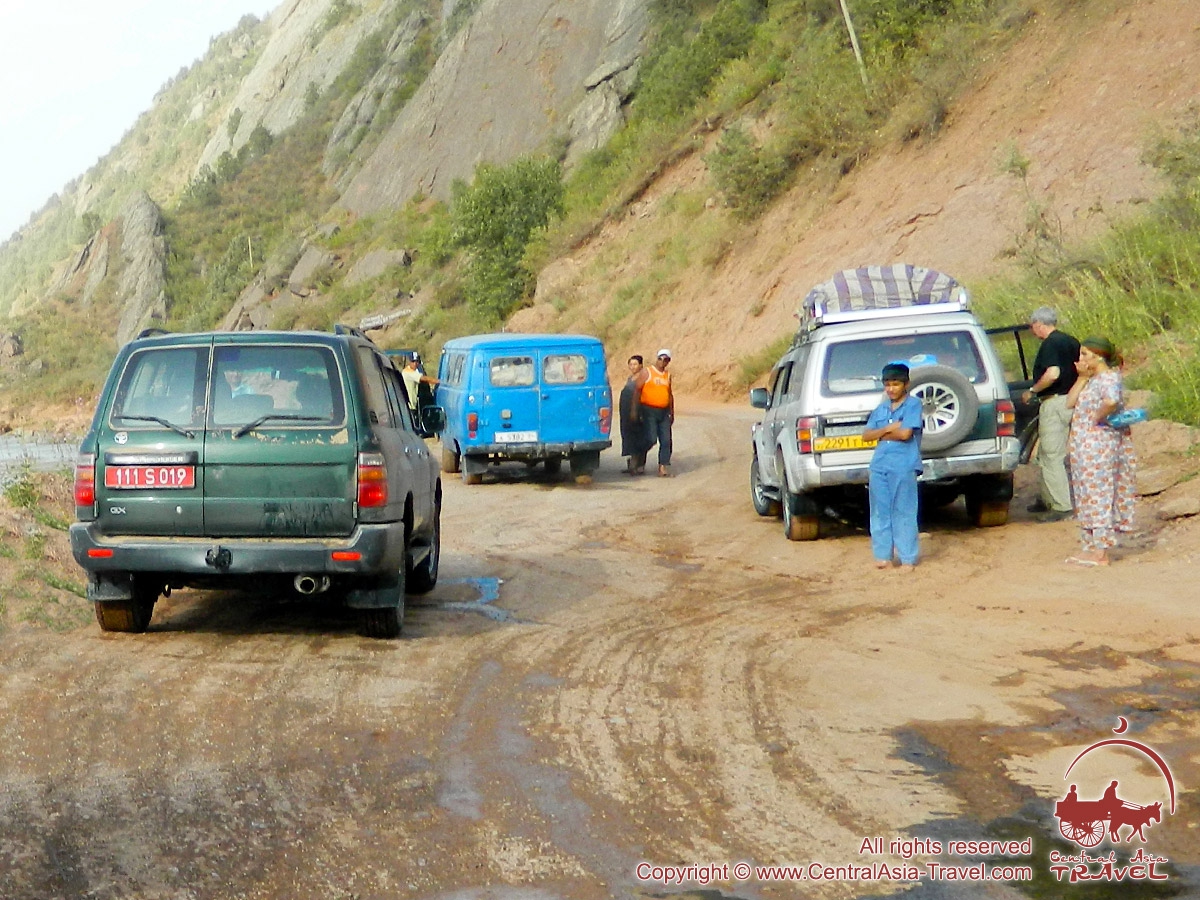
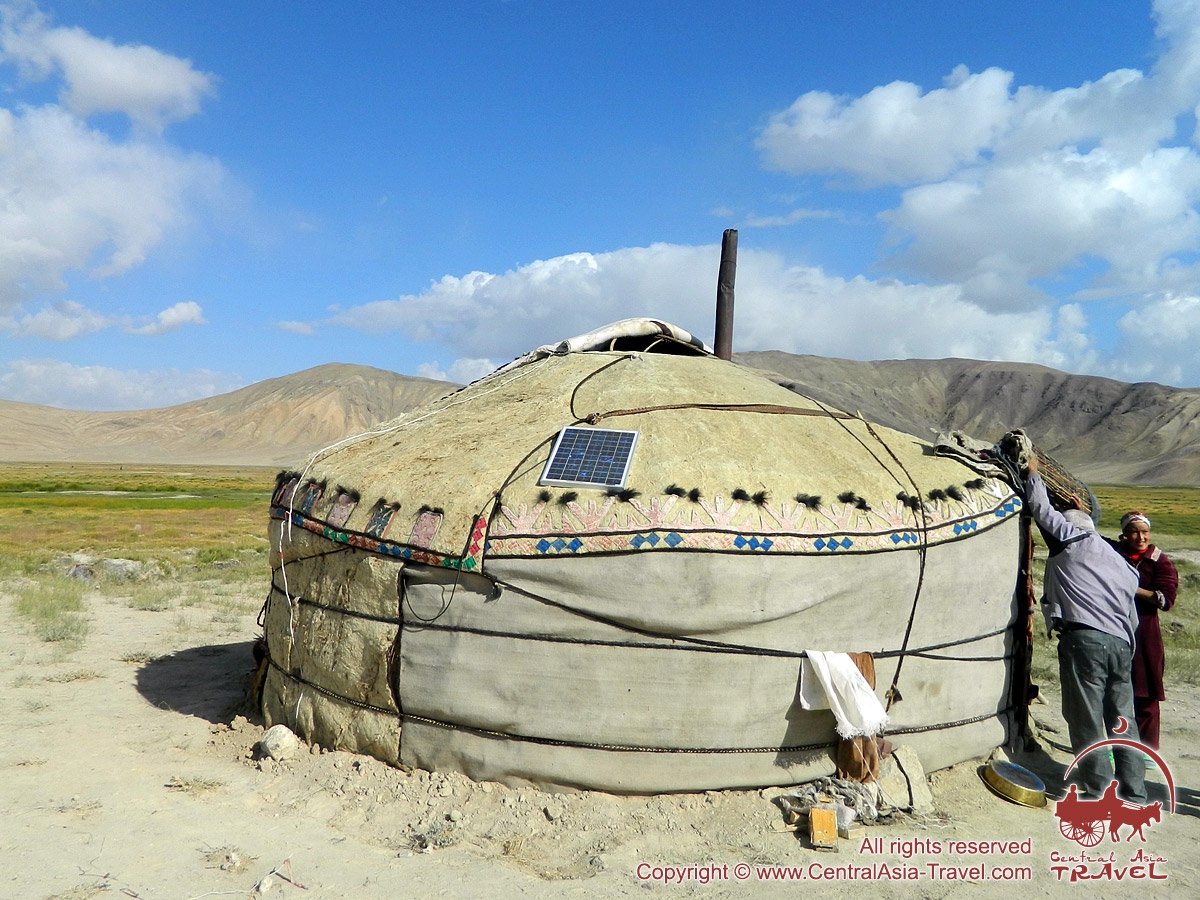
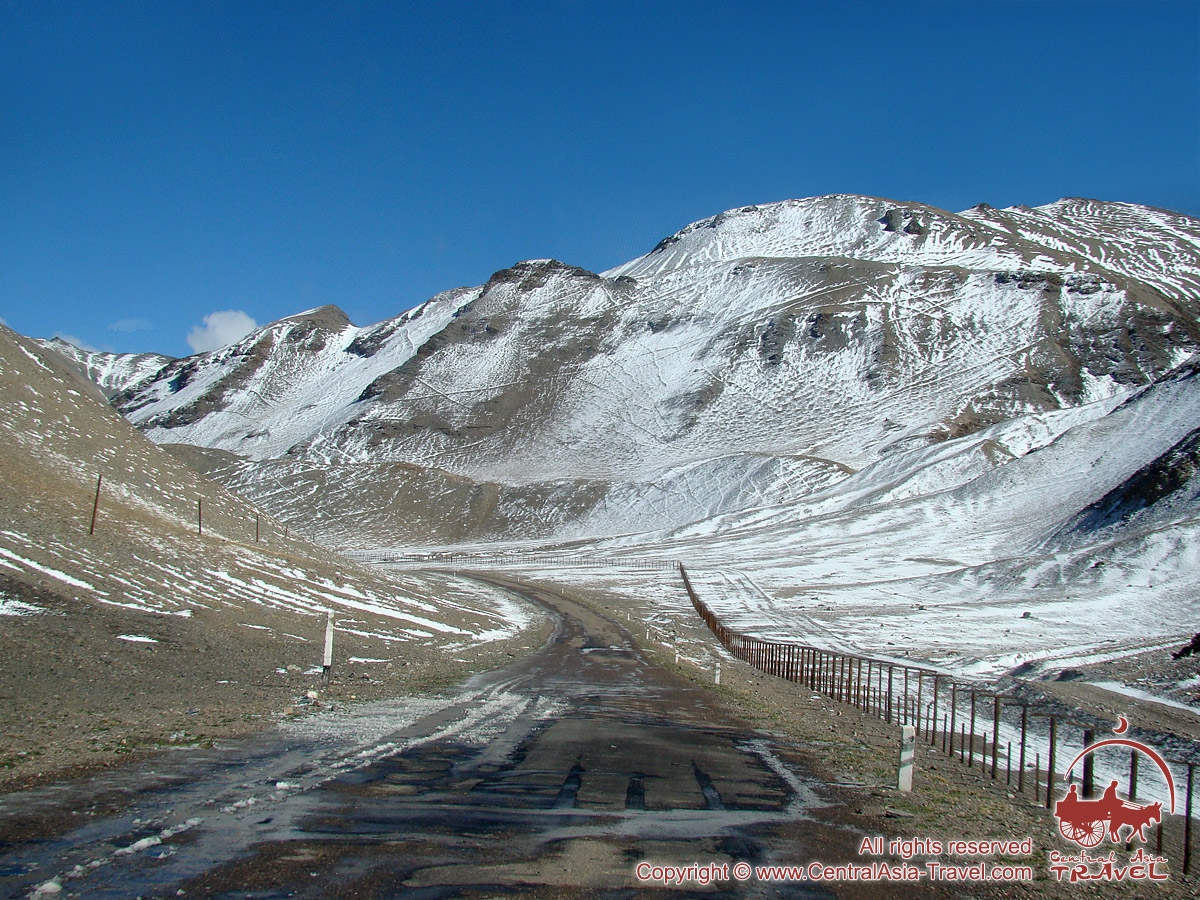
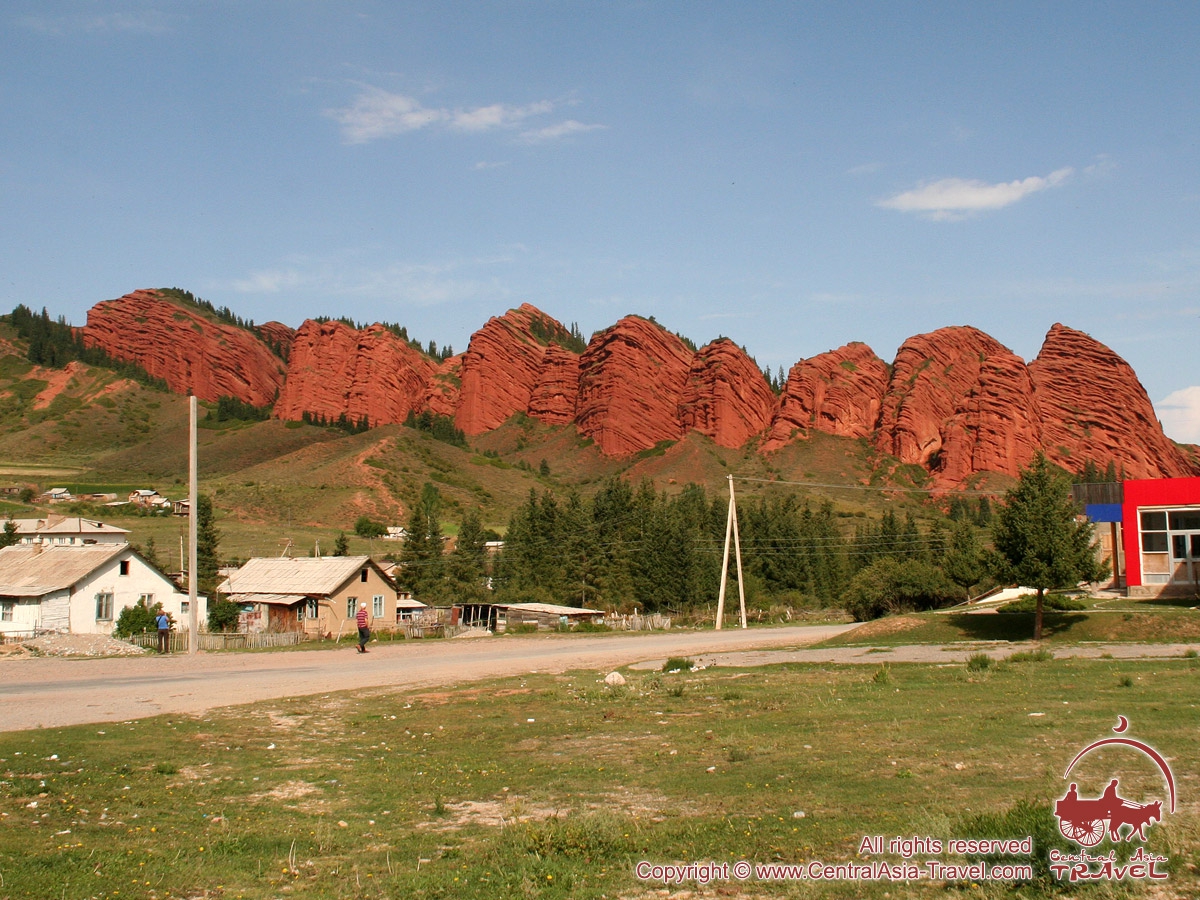
A trip filled with enormous breathtaking spaces and the cold beauty of the high Pamir Mountains. The famous Pamir Highway, M 41, is a high-altitude car road over 700 km long connecting Dushanbe, Khorog (Tajikistan) and Osh (Kyrgyzstan). The Pamir Highway is unpredictable and usually empty, featuring several passes over 4,000 m high. Along the whole length of the road there are very few car service centres and petrol stations. Currently, it is one of the most elevated paved roads having such length. M 41 forms the only vital artery connecting the isolated alpine regions of the Pamir Mountains with the rest of the civilised world.
Our video gallery:
 In an off-road vehicle across Kyrgyzstan |
 RideThePlanet: RideThePlanet:Kyrgyzstan Whitewater |
 Pamir Experience 2016 Pamir Experience 2016 |
 Riding motorbikes through Kyrgyzstan Riding motorbikes through Kyrgyzstan |
© Copyright © Central Asia Travel
All rights reserved. No part of this publication may be reproduced without written permission of the copyright owner.

|
Heritage group tours: |
Adventure group tours: |
|
Other interesting tours: |
Usefull links: |
TOUR ORDER
Book a guided tour
To submit the form you need to consent to the processing of personal data.